
The best way to learn biology is to want to be a biologist; the best way to learn to code is to need it. Every session begins with one question — who do you want to become? — and we build a curriculum around that identity, drawing from art, technology, biology, engineering, and design as the work demands.
No prerequisites. No fixed syllabus. Just a future self to grow into.
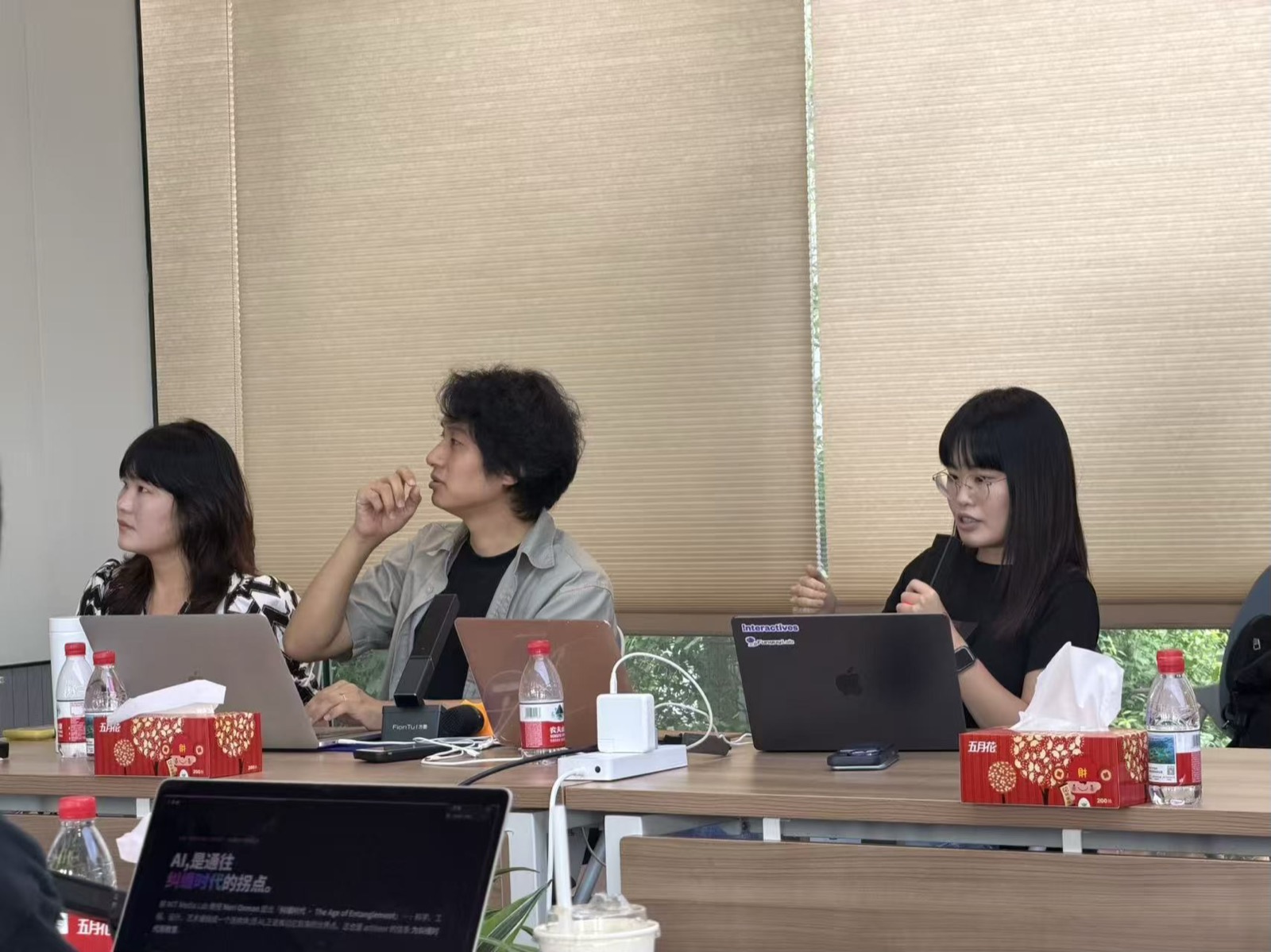 WAIC · Future of AI creator gathering
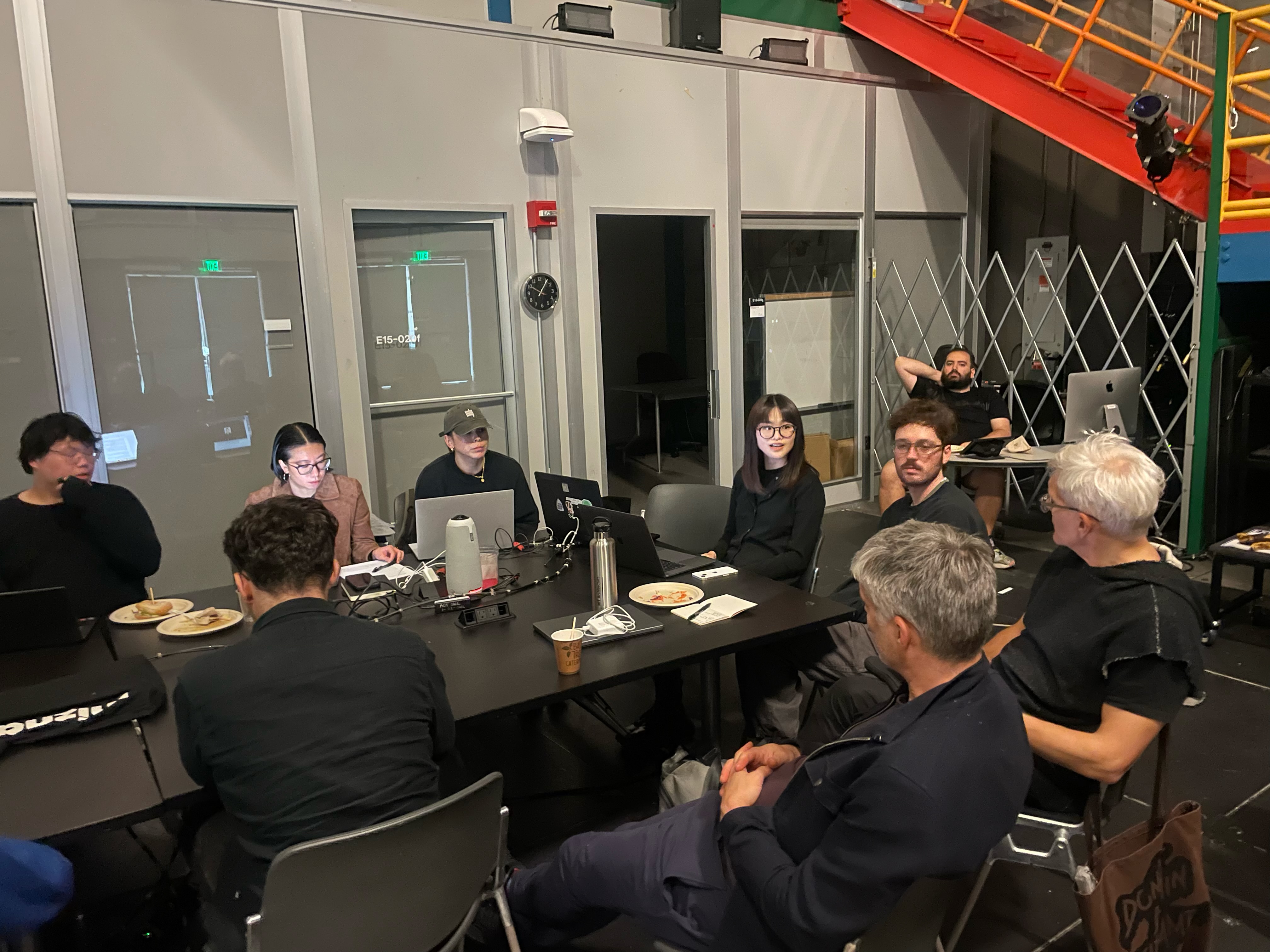 MIT ACT · Invited seminar
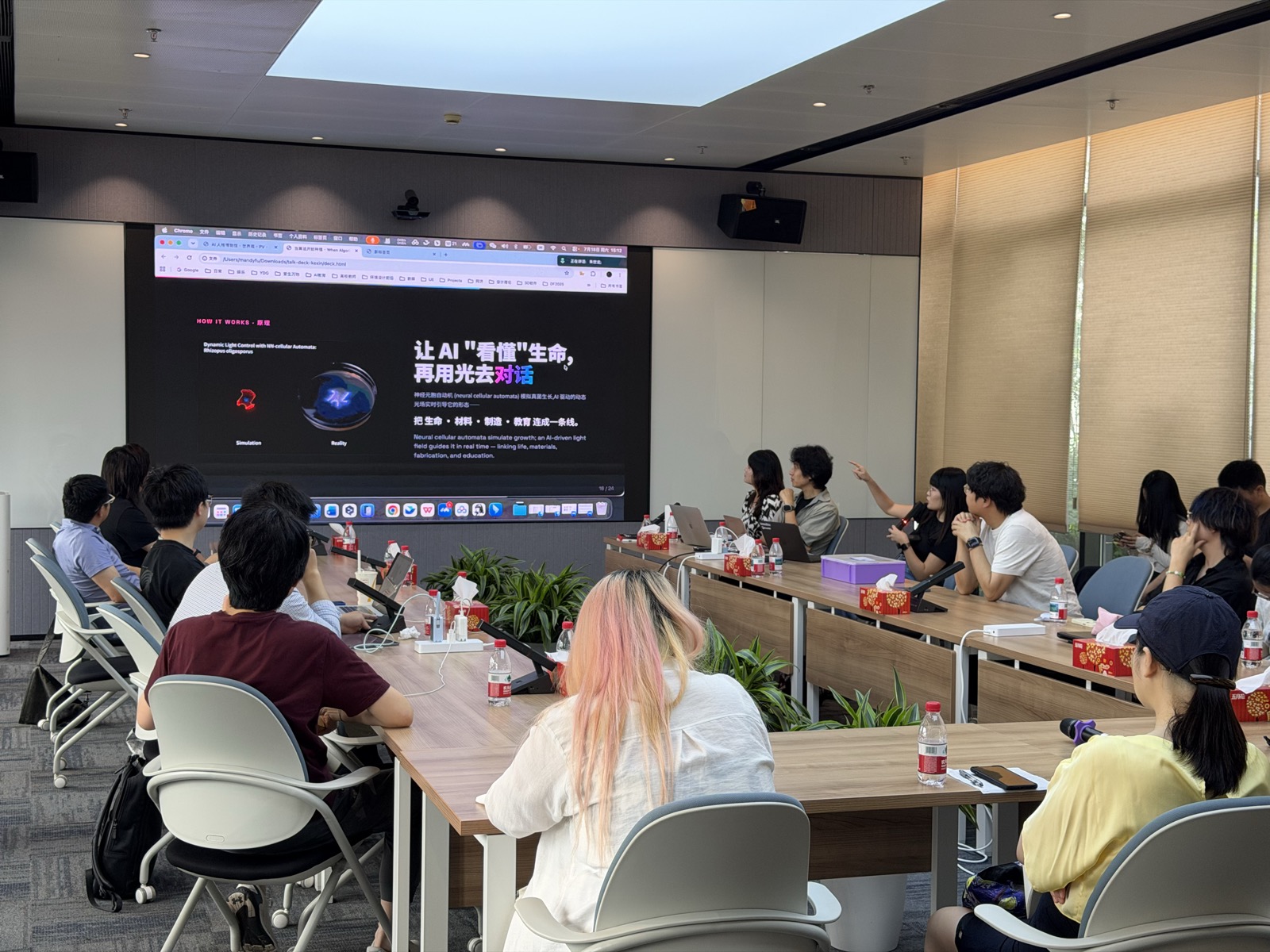 WAIC · Future of AI creator gathering
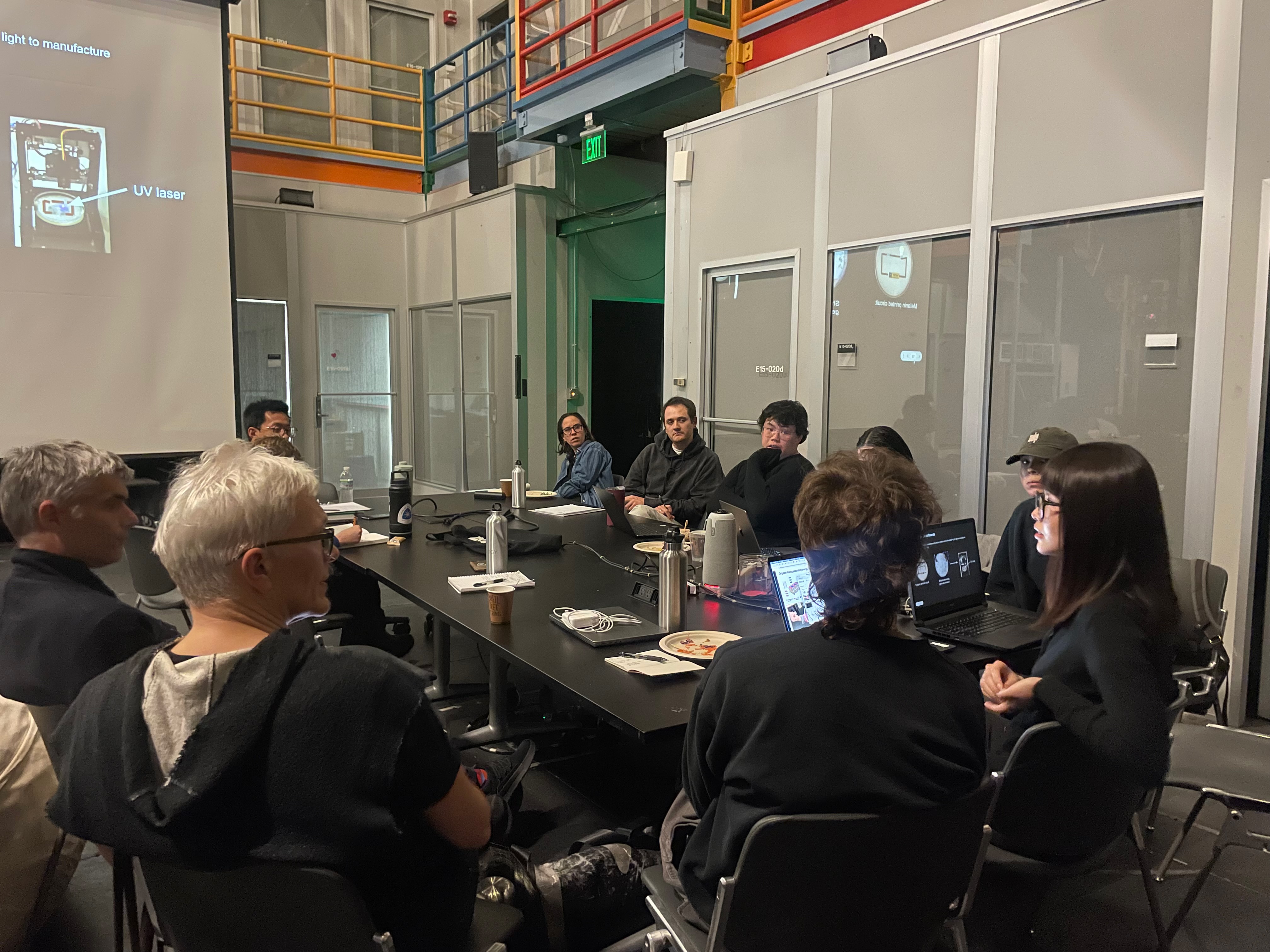 MIT ACT · Invited seminar
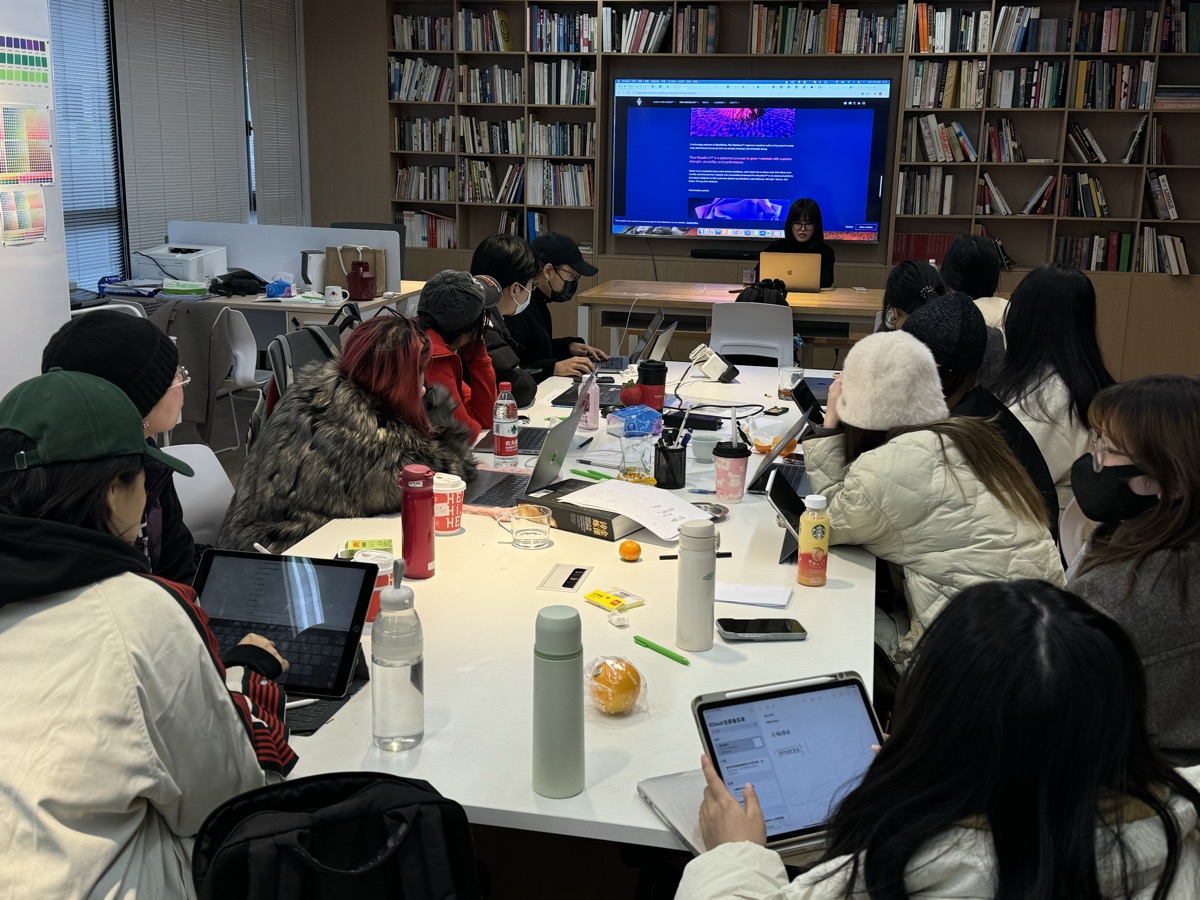 CAA Hangzhou · Design in Service of Livelihoods
Each learner moves through their own version of these stages at their own pace — guided by curiosity, not a clock.
In the first session we explore together: who do you want to become? What worlds fascinate you? The answer becomes the foundation of your curriculum.
Each session is built around a mission — a real challenge from your chosen field, whether that’s a research question, a product to build, or a craft to master. You learn what you need to solve it, nothing extra.
Projects accumulate into a portfolio that shows not what you studied, but what you built, explored, and discovered along the way.
Choose an identity — or invent one. Everything else follows from there. Here are some of theirs.

“I had a physics master’s degree and still didn’t know what I wanted to make. artineer helped me realize I’d been a media artist all along.”
A physics and optics graduate from Tsinghua University, drawn to media art but unable to bridge science to creative practice. Through 1-on-1 mentoring we helped her articulate her identity as a media artist. She joined Tsinghua’s Future Lab and published research in artificial life and AI game design at SIGGRAPH Asia 2025 Art Papers.
“I had two degrees in two different fields and felt more lost than ever. artineer helped me figure out that what I actually loved — agricultural AI robotics — had been there the whole time.”
With a background in digital media and an architecture master’s, she came to us directionless despite having exhibited at the Venice Biennale. We mapped her curiosity onto a clear path — agricultural AI and robotics — and guided her thesis to SIGGRAPH Asia 2025. She is now headed to UC Berkeley; also admitted to CMU, Columbia, and RISD.
“I’d paid for mentors before and left every session more confused. artineer was the first time someone actually understood what I was trying to become.”
A journalism undergraduate and former intern at Xinhua News Agency, she wanted to pivot into HCI design-engineering research. We helped her enter Tsinghua’s Future Lab, where she conducts HCI and autonomous-driving research. She is now heading to Brown University and RISD for a dual master’s in design engineering.
A literature undergraduate drawn to interactive storytelling and worldbuilding. We helped her translate a humanities sensibility into game design — narrative systems, mechanics, and interactive experience. She is now studying games at New York University.
A Tsinghua University fashion design undergraduate who wanted to move from garments to digital interaction. We built her technical and HCI foundation and reframed her material, bodily craft as interaction design — carrying a designer’s eye into screens, systems, and interfaces.
A China Academy of Art visual communication design student pivoting into interaction design. We bridged her strong visual and typographic foundation with interaction thinking and technical skill, so her graphic instincts now drive interfaces and interactive systems.
An ArtCenter College of Design illustration student drawn to AI and design but unable to locate her intersection. We guided her transition into HCI research and product design — she entered Tsinghua’s Future Lab and co-authored a paper at CHI 2026. She is now a product-design intern at an AI pet-tech company in Shanghai.
A South China University of Technology supply-chain graduate whose family food-industry background sparked a deep interest in food engineering and health. She dreams of transforming the industry through design thinking but lacked a portfolio. We are guiding her transition, building both the vision and the body of work.
With a Chinese-painting degree from Xiamen University and a creative-communications master’s from HKU, she aspires to be an independent digital media artist rooted in traditional culture. We helped her close the technical and research gaps — she has entered Tsinghua’s Future Lab, reimagining AI through the philosophical lens of the I Ching.
A graphic-design undergraduate with strong visual instincts and a genuine interest in HCI, but little exposure to engineering at her art school. We are bridging that gap, building her engineering capability alongside her visual strengths — she has entered Tsinghua’s Future Lab, training toward a full-stack HCI product designer.
Click a file to open it. More student stories coming — many of them applying abroad. If that’s you, see our art study abroad, portfolio, and application mentorship.
We don't teach subjects — we draw from them as the work demands. Here's what shows up most often.
Sensors, microcontrollers, circuits, and responsive systems.
p5.js, Python, Processing — code as a creative medium.
Living systems, fungal cultures, cellular behavior, microbiology.
Algorithmic aesthetics, digital fabrication, visual systems.
Neural networks, training, creative AI applications.
CNC, laser cutting, 3D printing, mechanism design.
Sensors, feedback loops, human-machine interfaces.
Complex systems, emergence, modeling, simulation.
Both formats share the same antidisciplinary philosophy. Choose what fits your learning style.
Fully personalized — every session is designed around one learner's chosen identity, curiosity, and pace. The deepest possible focus.
A small team pursues a shared project — friends, siblings, or classmates who want to build something together at the intersection of art and technology.
artineer began as an experimental studio in 2023 and established its first formal school cohort in 2024. The approach has been refined through sustained, high-frequency 1-on-1 mentorship — not short workshops.
Book a first session — 1-on-1 or with a team. We'll take it from there.