The artineer lab does original R&D at the intersection of bio-art, AI, and educational technology — producing products that teach and papers that last.
The artineer research lab operates at the intersection of art, biology, and computation. Our work doesn't stay in the lab — every research thread becomes a product, a kit, a publication, or a new educational approach.
We believe that the best educational materials come from the frontier — that learners deserve to work with ideas and tools that are genuinely new, not simplified versions of old knowledge.
To make that possible at scale, we're building Cultigen — an AI engine that turns frontier research into teachable curriculum, a working interactive, and a buildable kit, in minutes instead of years.
Projects currently running in the artineer lab.
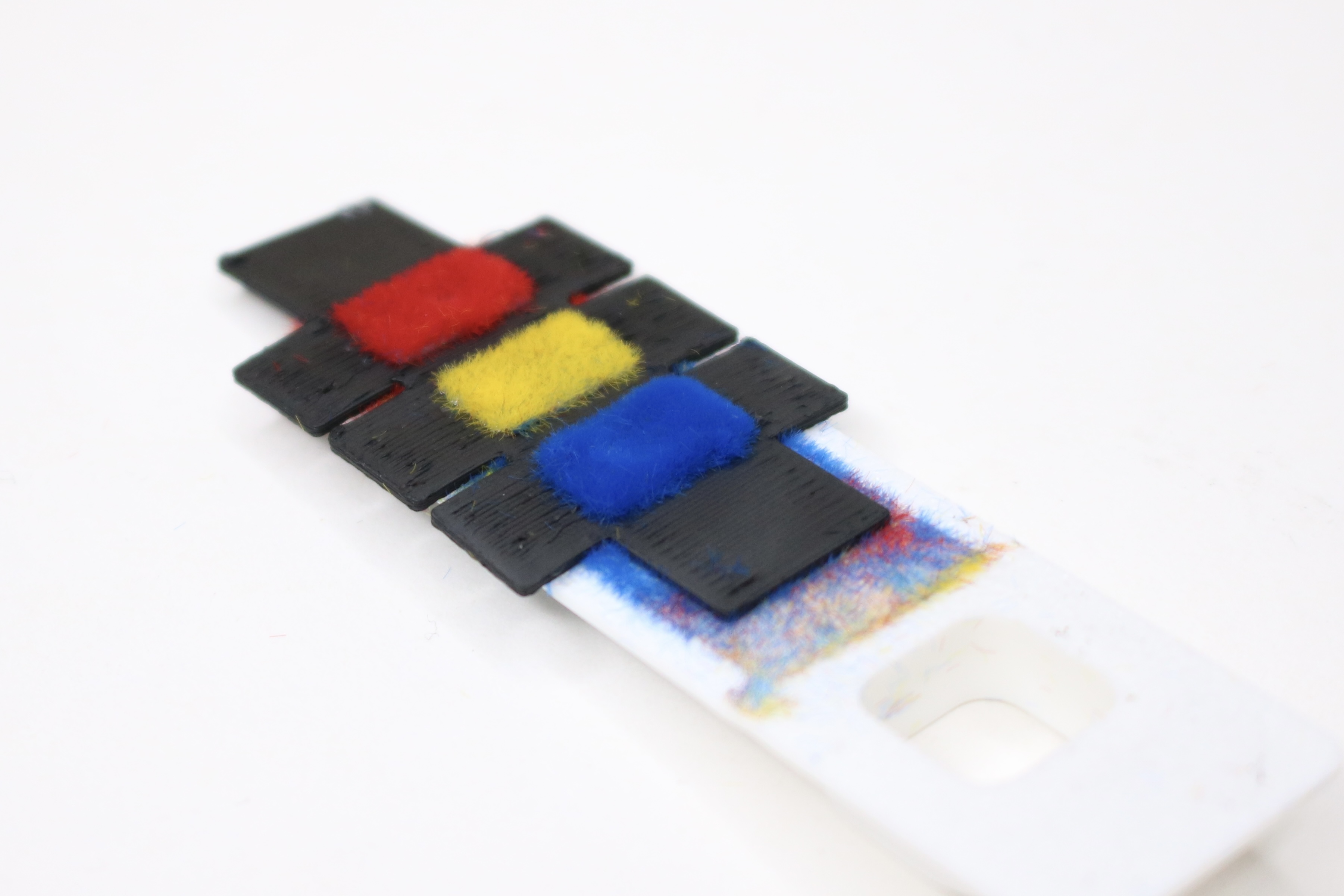
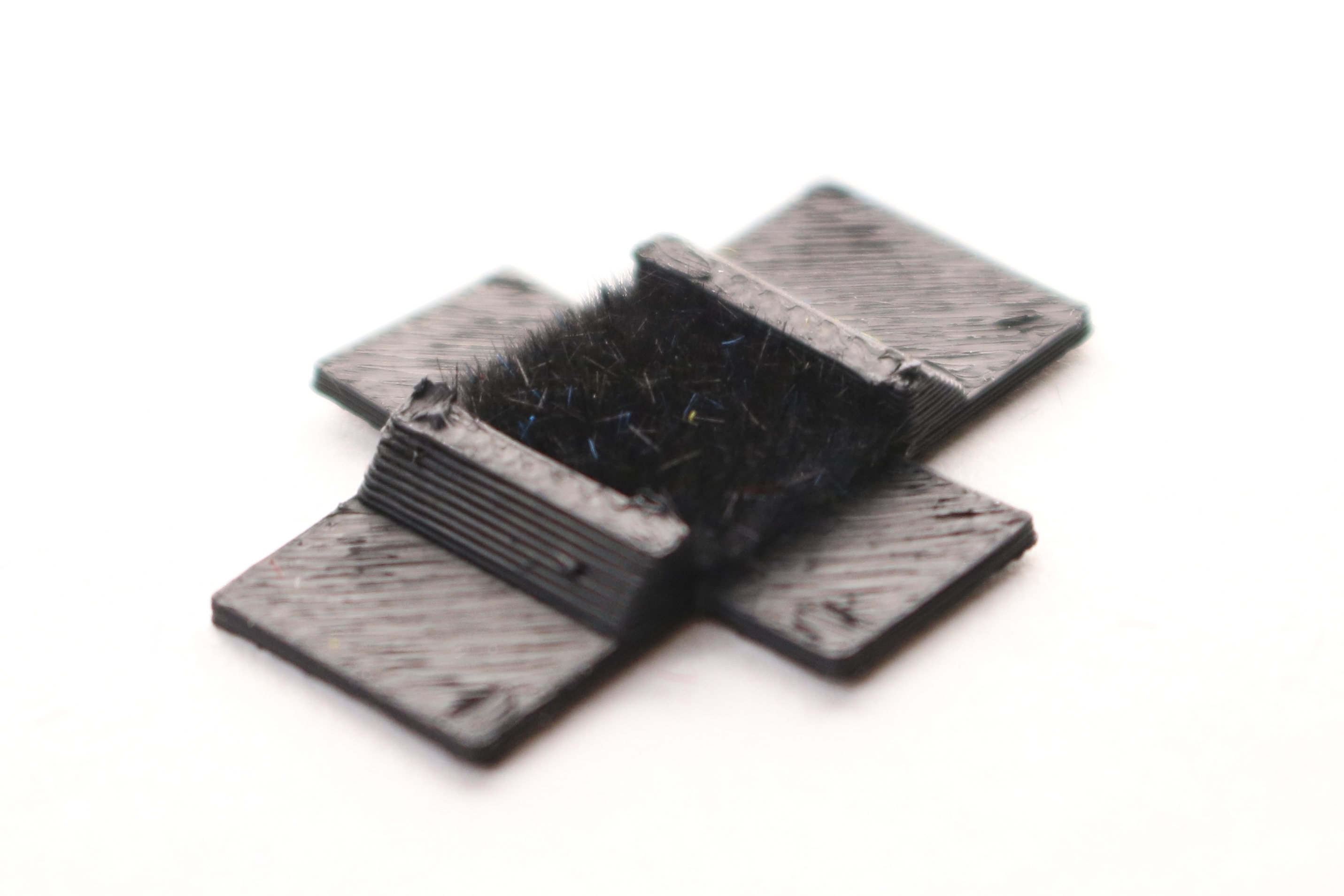
Automated Zonal Flocking on 3D-Printed Surfaces via Structural Modulation
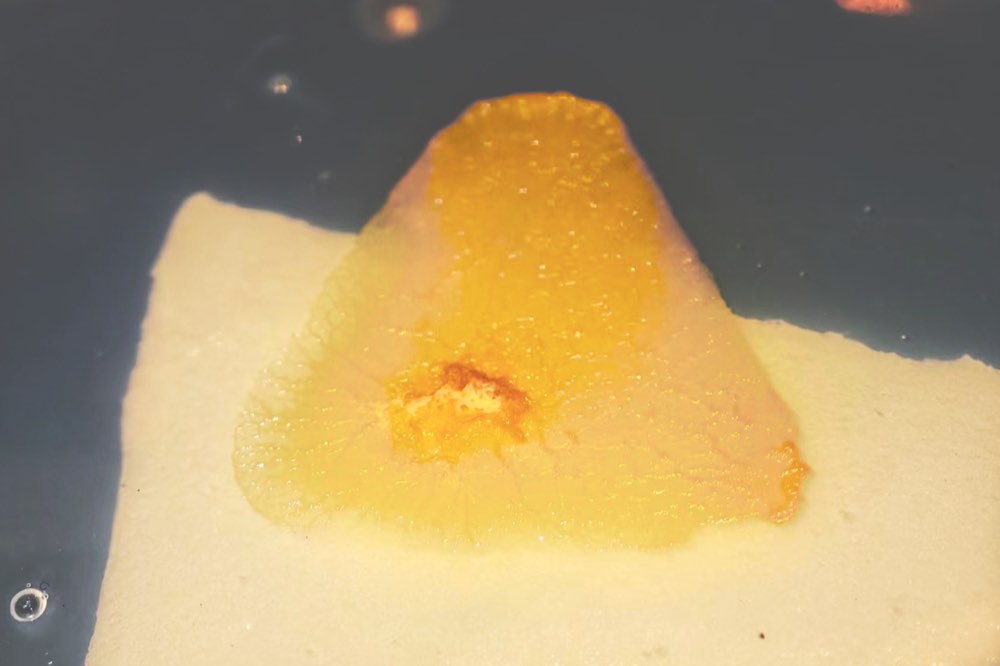
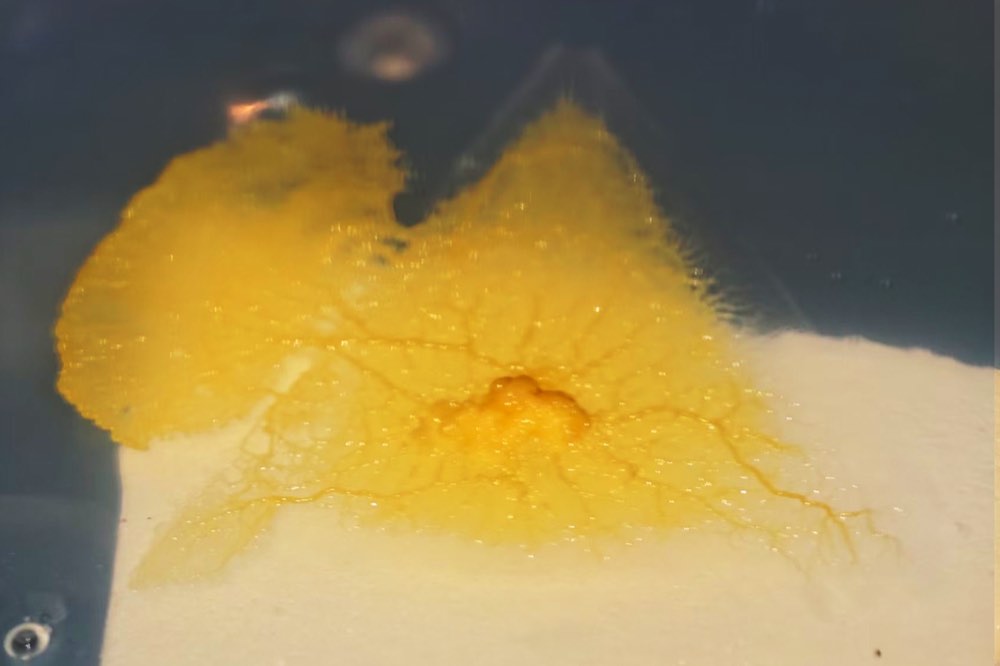
Slime Mold, AI, and Finitude as the Condition of More-than-Human Cohabitation
A three-act interactive installation couples living Physarum polycephalum — a brainless slime mold that demonstrates basal cognition — to an AI-driven laser, holding everything constant but the ontological status of the "other" it meets. It argues that cohabitation with humanoid AI turns not on intelligence but on finitude — reframing the question from "is it smart enough?" to "can it die?"
Shaping and Isolating Living Color with Negative-Phototaxis Boundaries on a Mycelium Substrate
A method for printing multicolor living patterns on 3D curved surfaces. A scanning laser writes negative-phototaxis boundaries that shape the pattern and wall several colored slime molds (Physarum polycephalum) into separate regions, so colors stay crisp and don't bleed — grown on a living canvas of oyster-mushroom mycelium rather than agar. Because curved surfaces spread the laser unevenly, we use a geometry-aware dose-compensation model that adjusts it point-by-point to keep every boundary intact without harming the living substrate.
Click any paper stack to browse page by page, or click "Preview pages" to open the reader.
Kexin Wang · Marwa AlAlawi · Minglu Fang · Marcello Tania · Jiaming Liu · Ruipeng Wang · Qingfeng Zhou · Stefanie Mueller
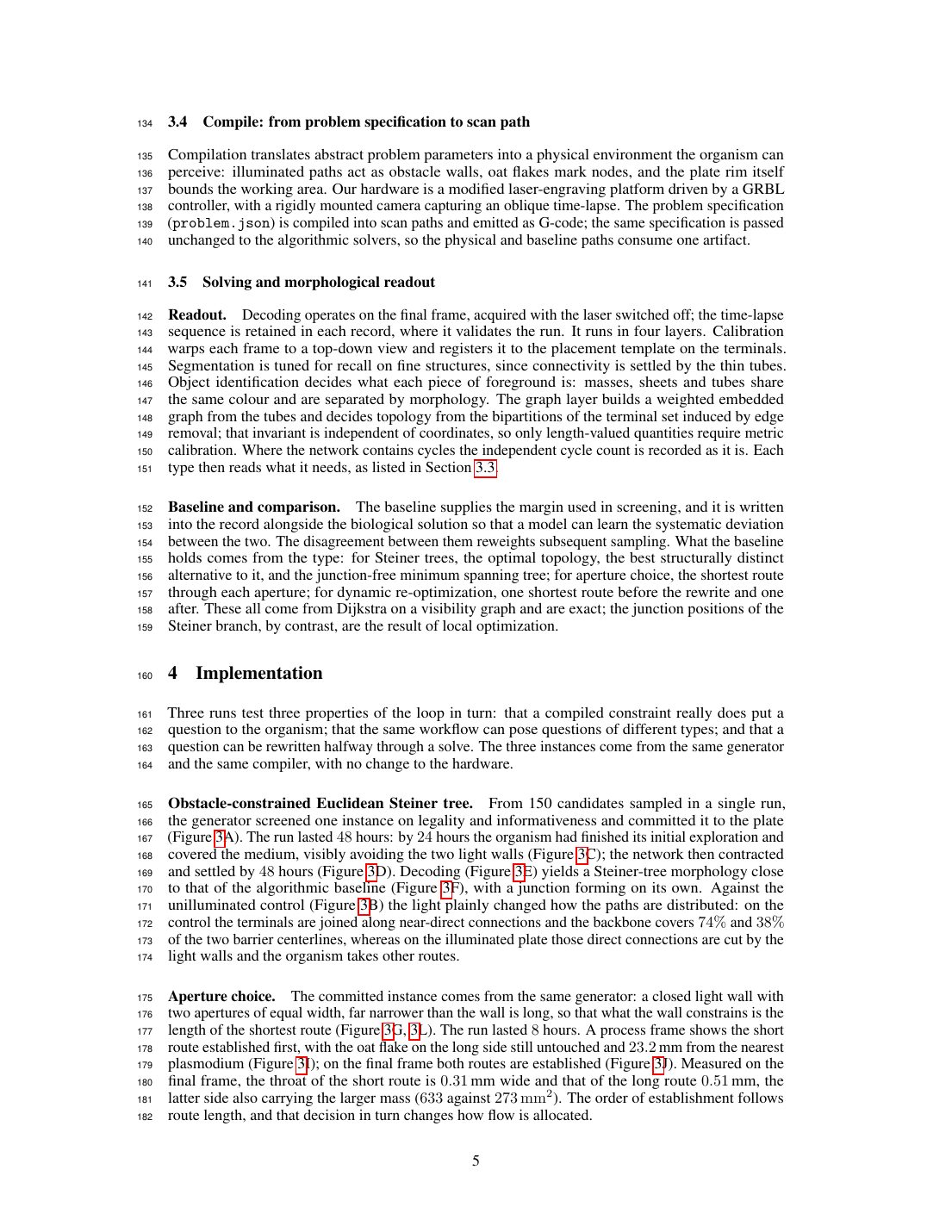
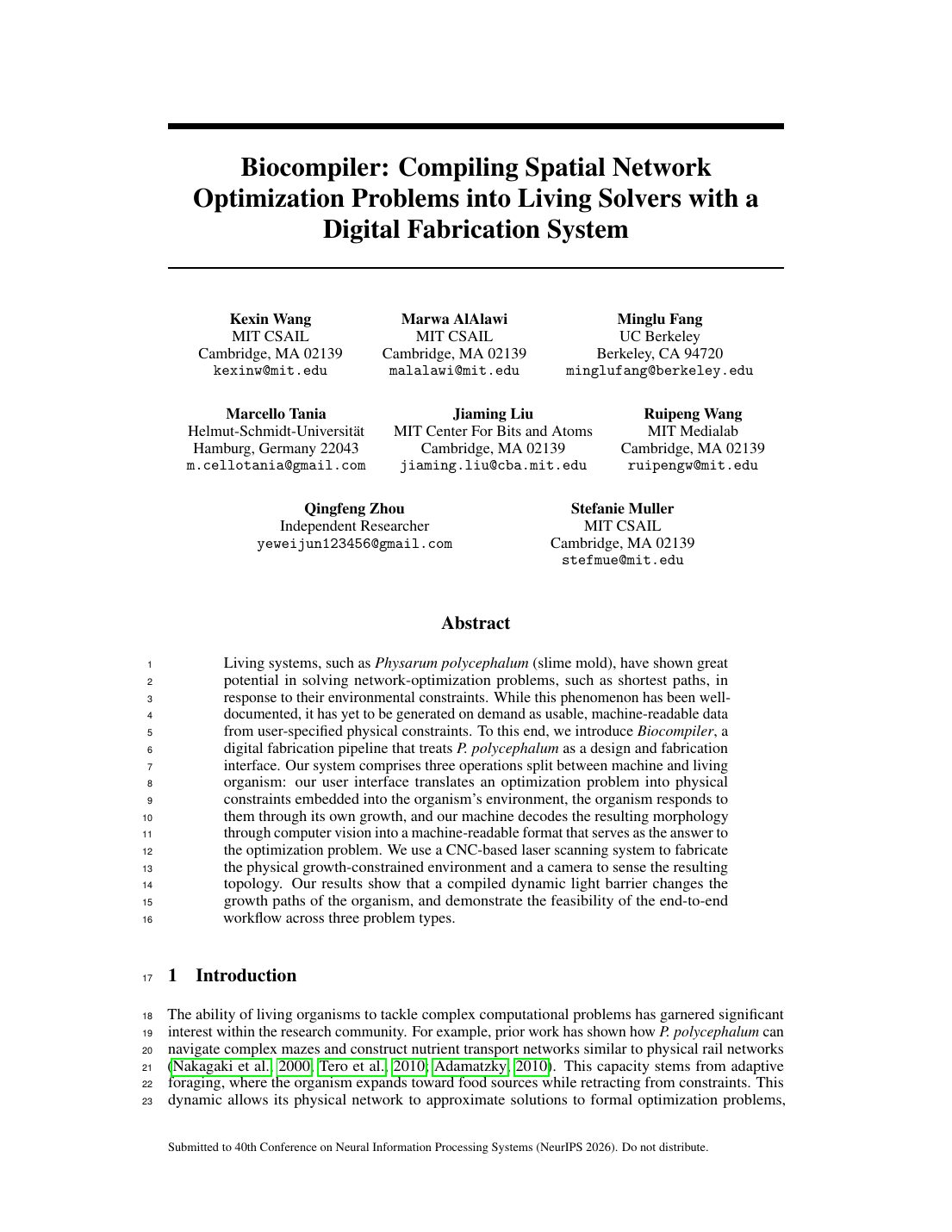
Introduces Biocompiler, a digital-fabrication pipeline that treats slime mold (Physarum polycephalum) as a living solver for spatial network-optimization problems. A CNC laser writes an optimization problem into the organism's environment as dynamic light barriers, the organism solves it through its own growth, and computer vision decodes the resulting morphology into machine-readable data — closing a compile → compute → decode loop demonstrated across Steiner trees, aperture choice, and dynamic re-optimization.
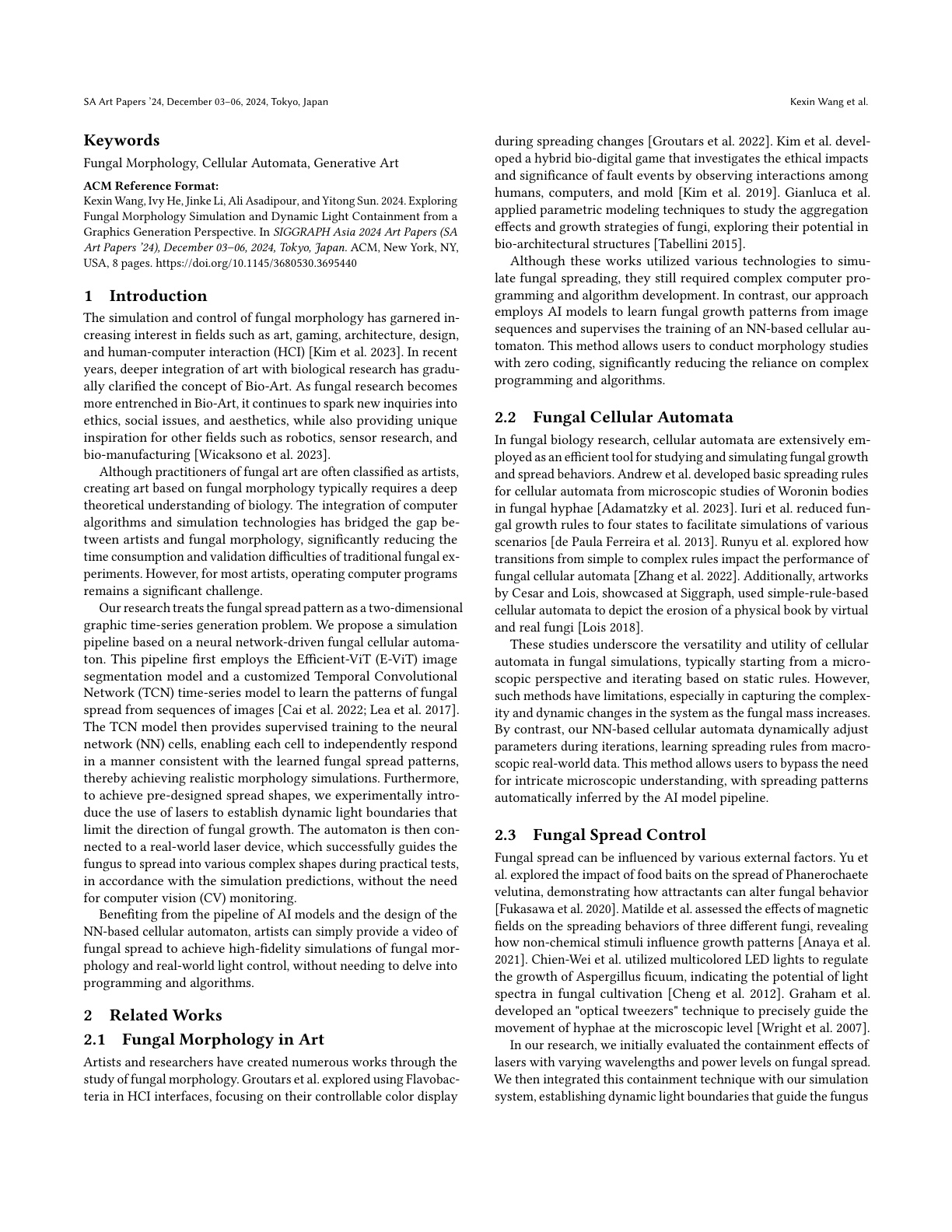
Kexin Wang · Ivy He · Jinke Li · Ali Asadipour · Yitong Sun
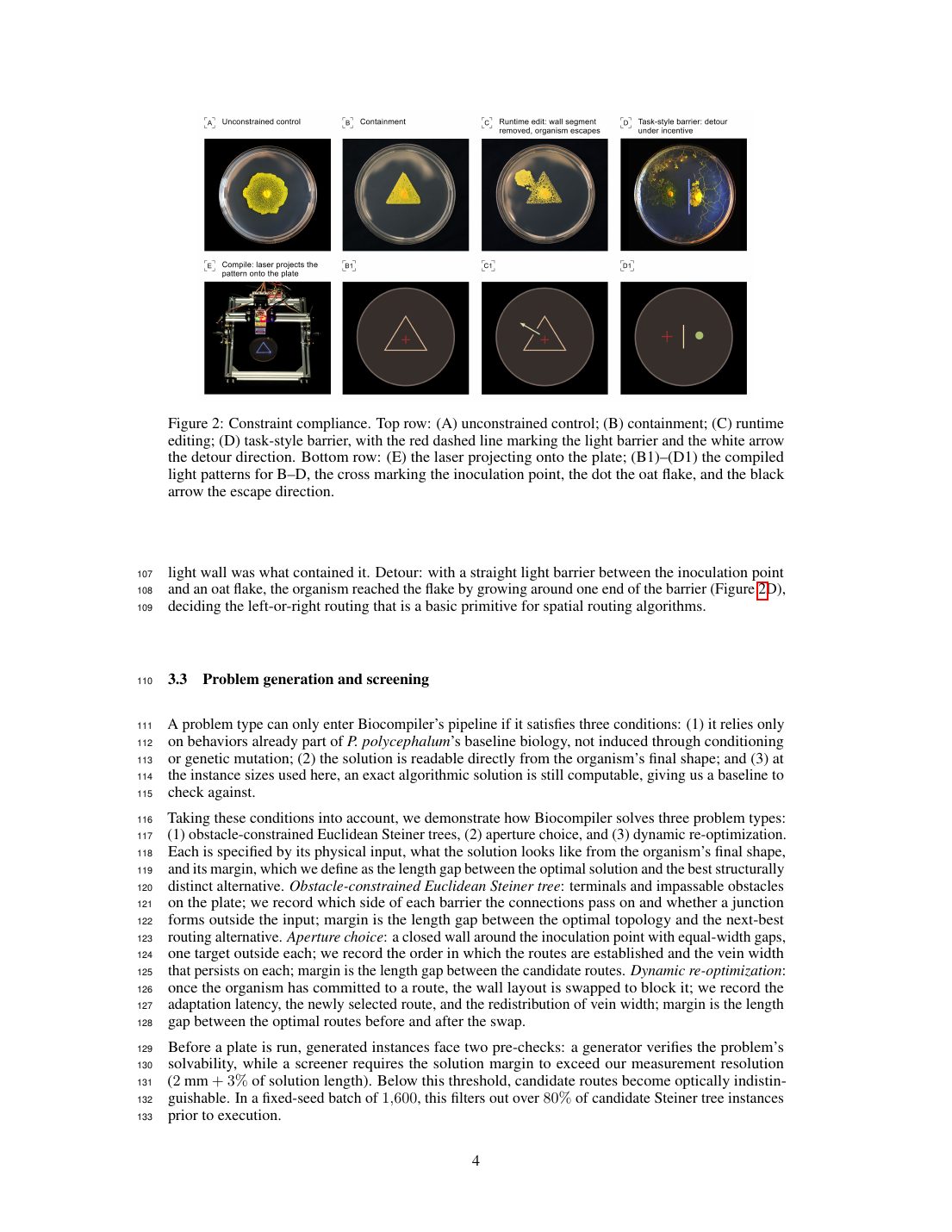
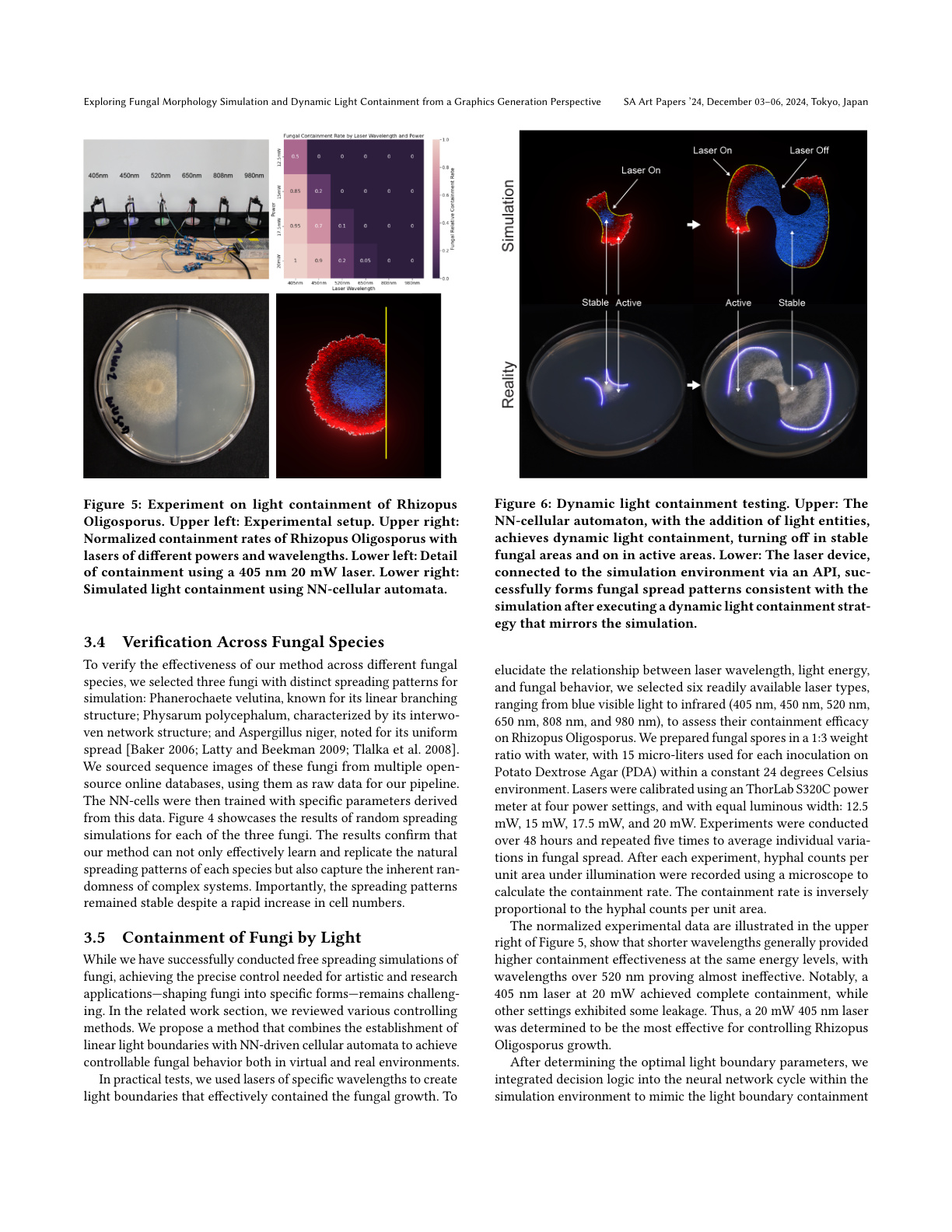
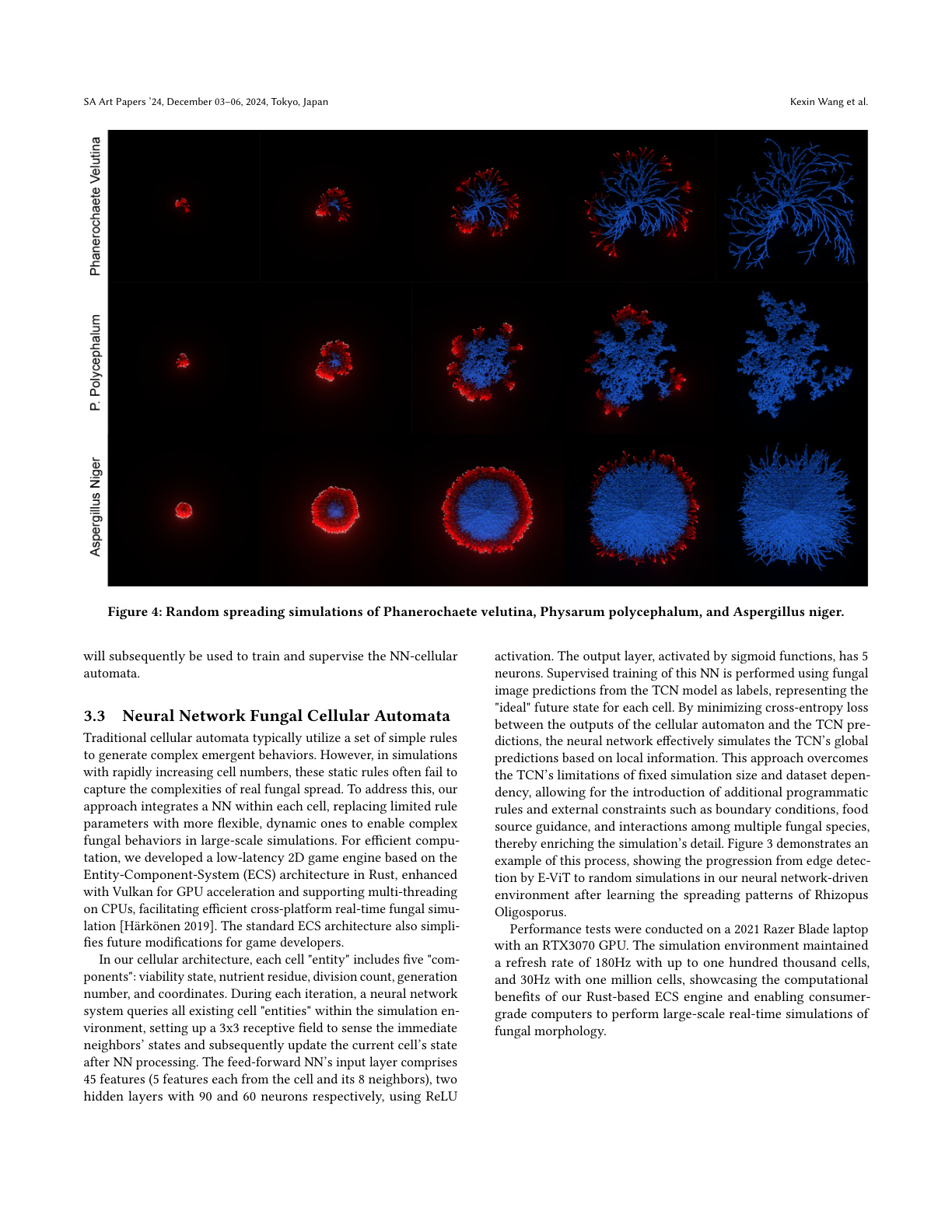
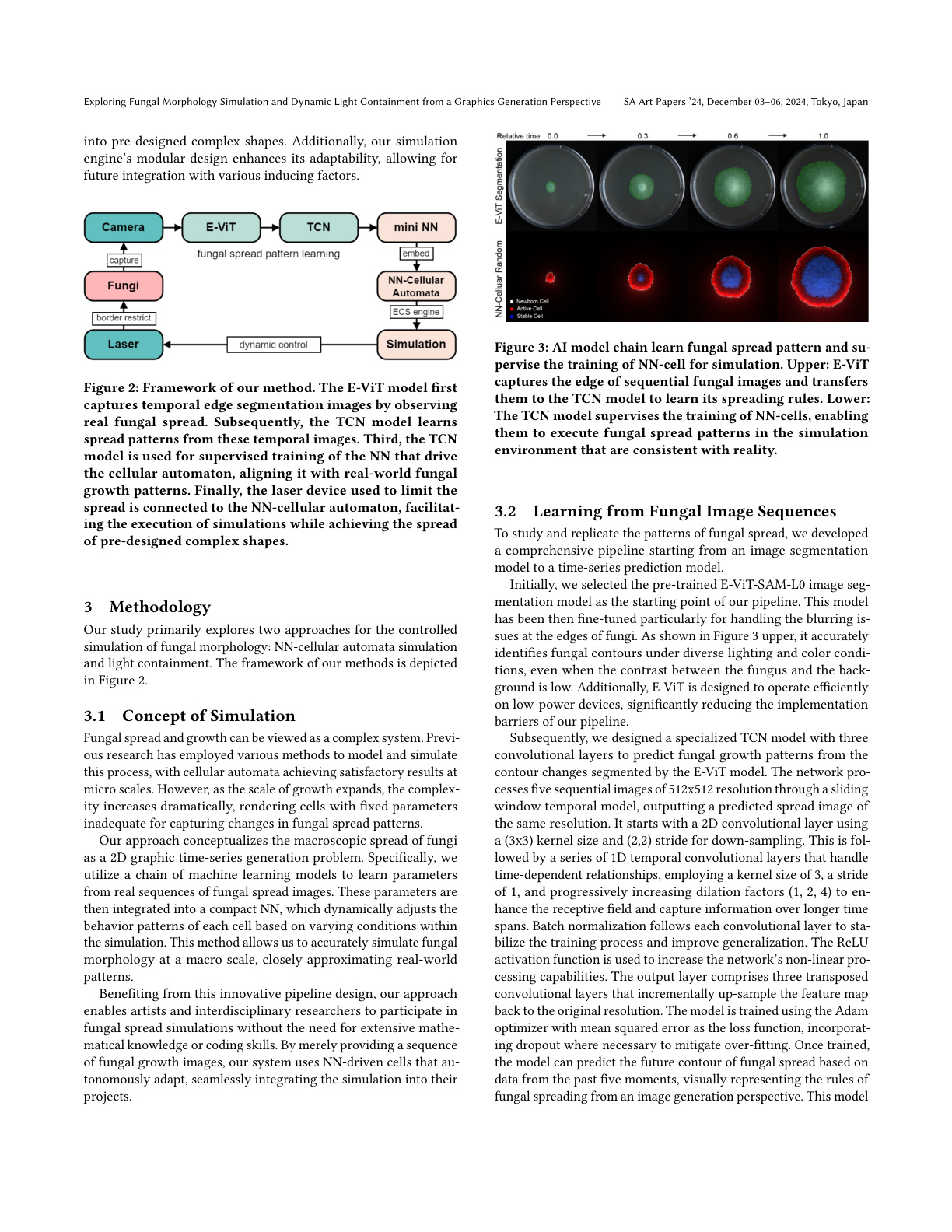
Reframes fungal morphology simulation as a 2D graphic time-series generation problem and introduces a zero-coding neural cellular automaton trained on real Mucor growth. Demonstrates dynamic laser containment that guides living fungal growth into designed shapes.
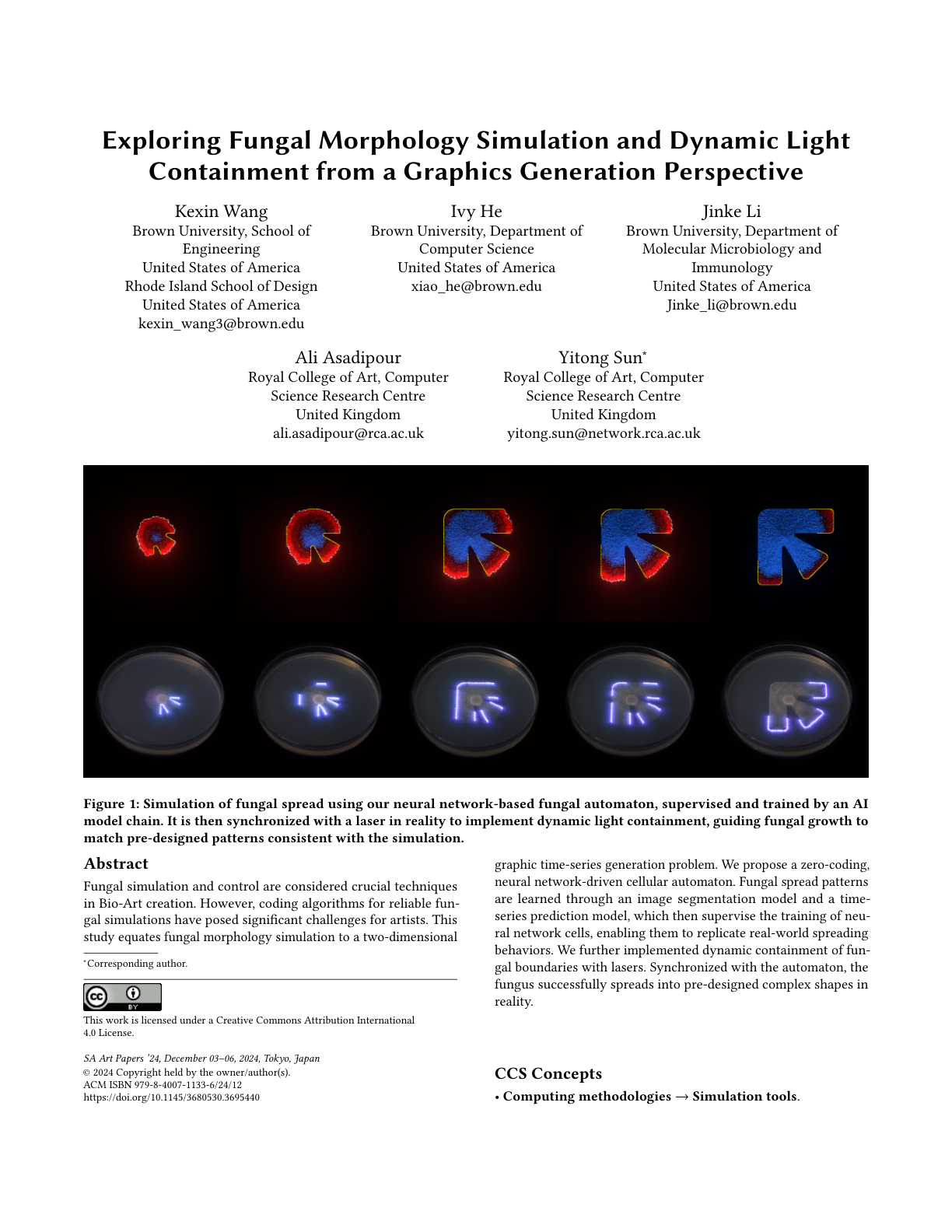
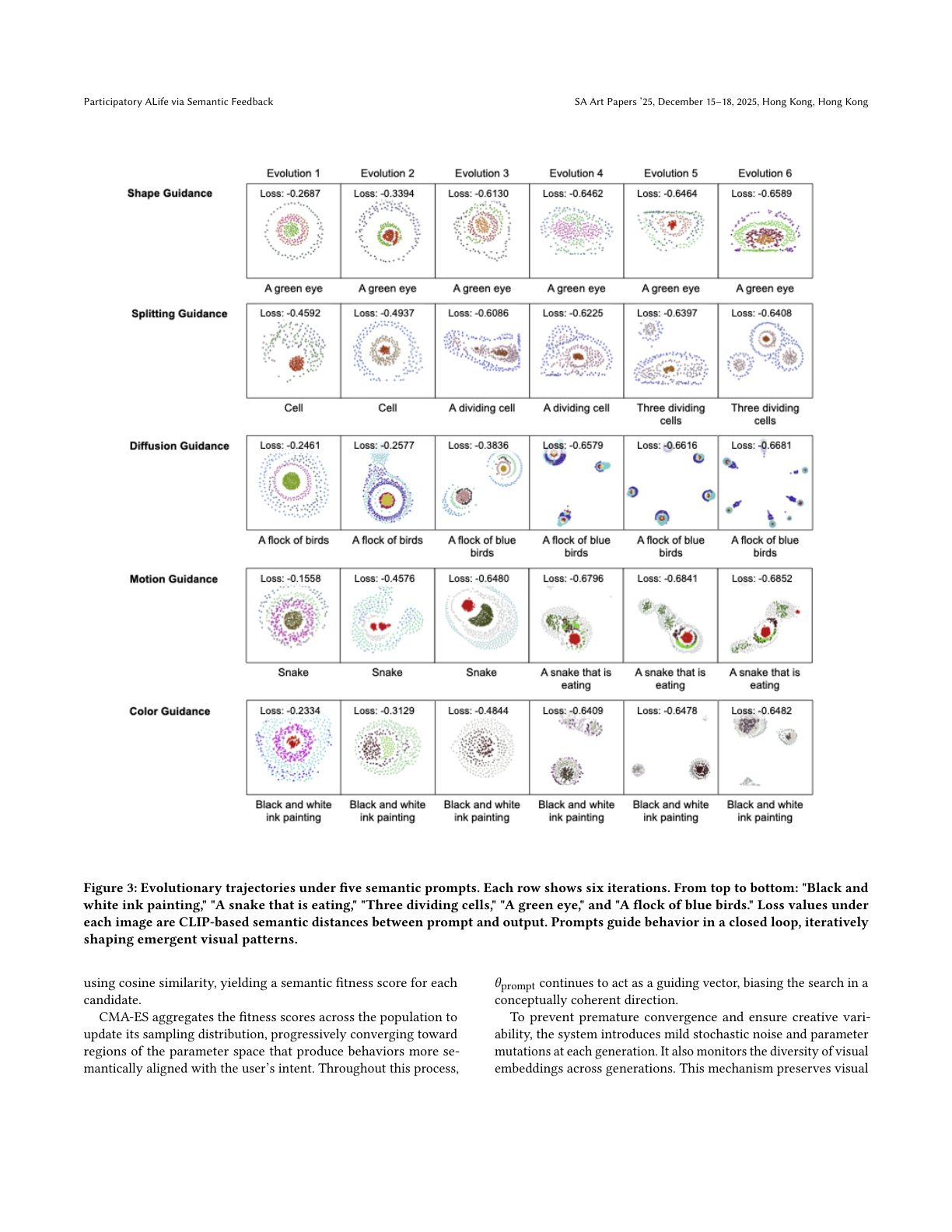
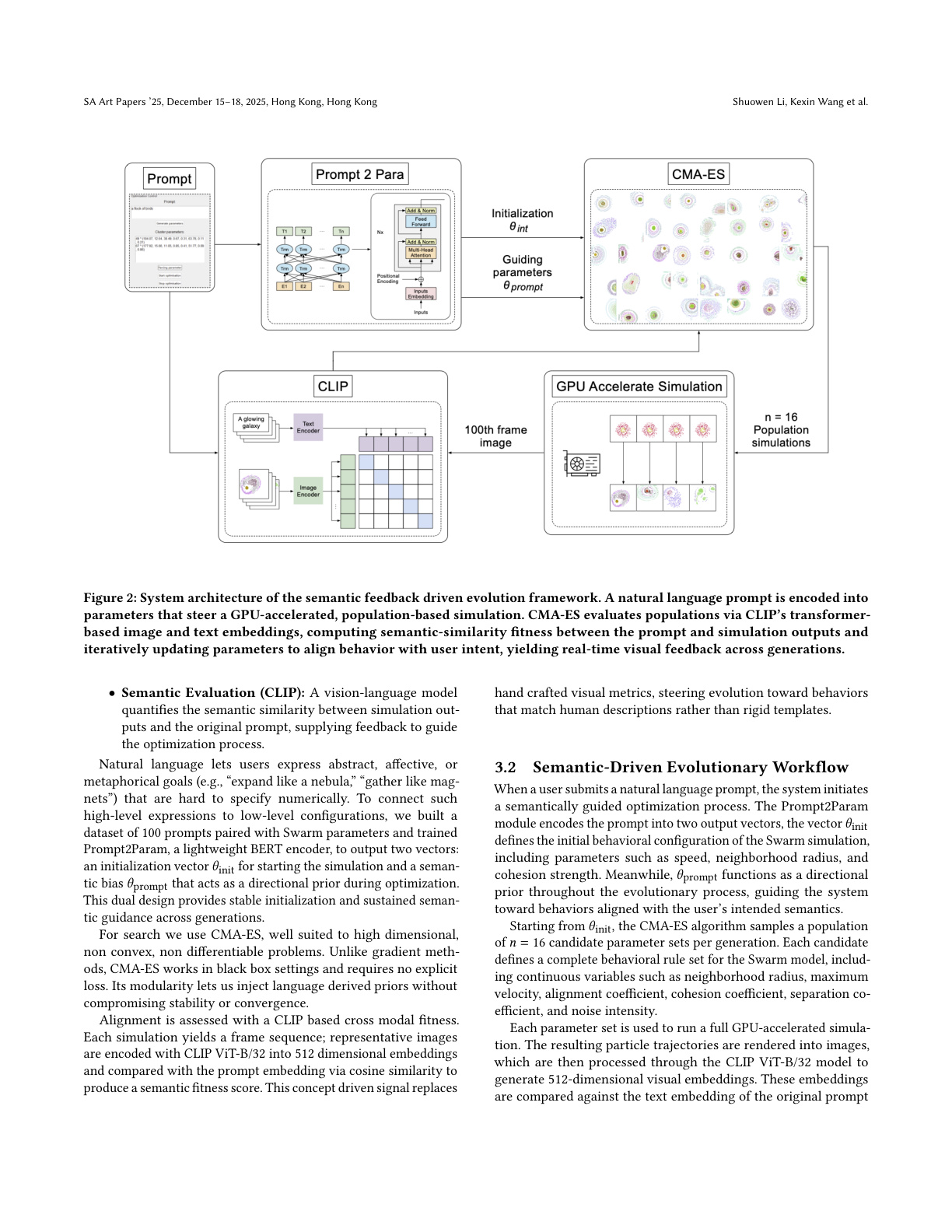
Presents a semantic-feedback framework treating natural language as a regulatory signal for evolving artificial-life systems. Text shapes the dynamics of an interactive ecosystem, allowing audiences to cultivate agent-based systems through language interaction.
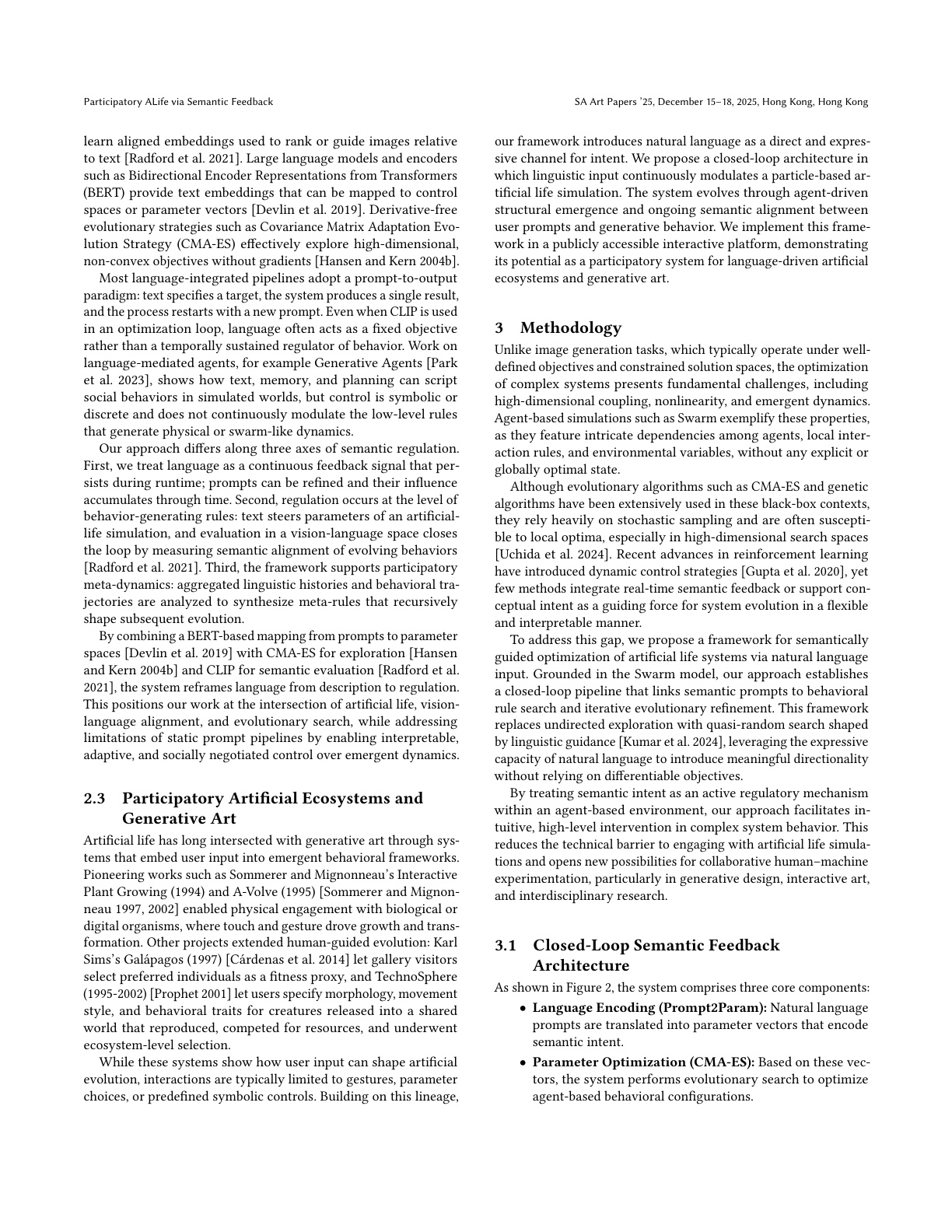
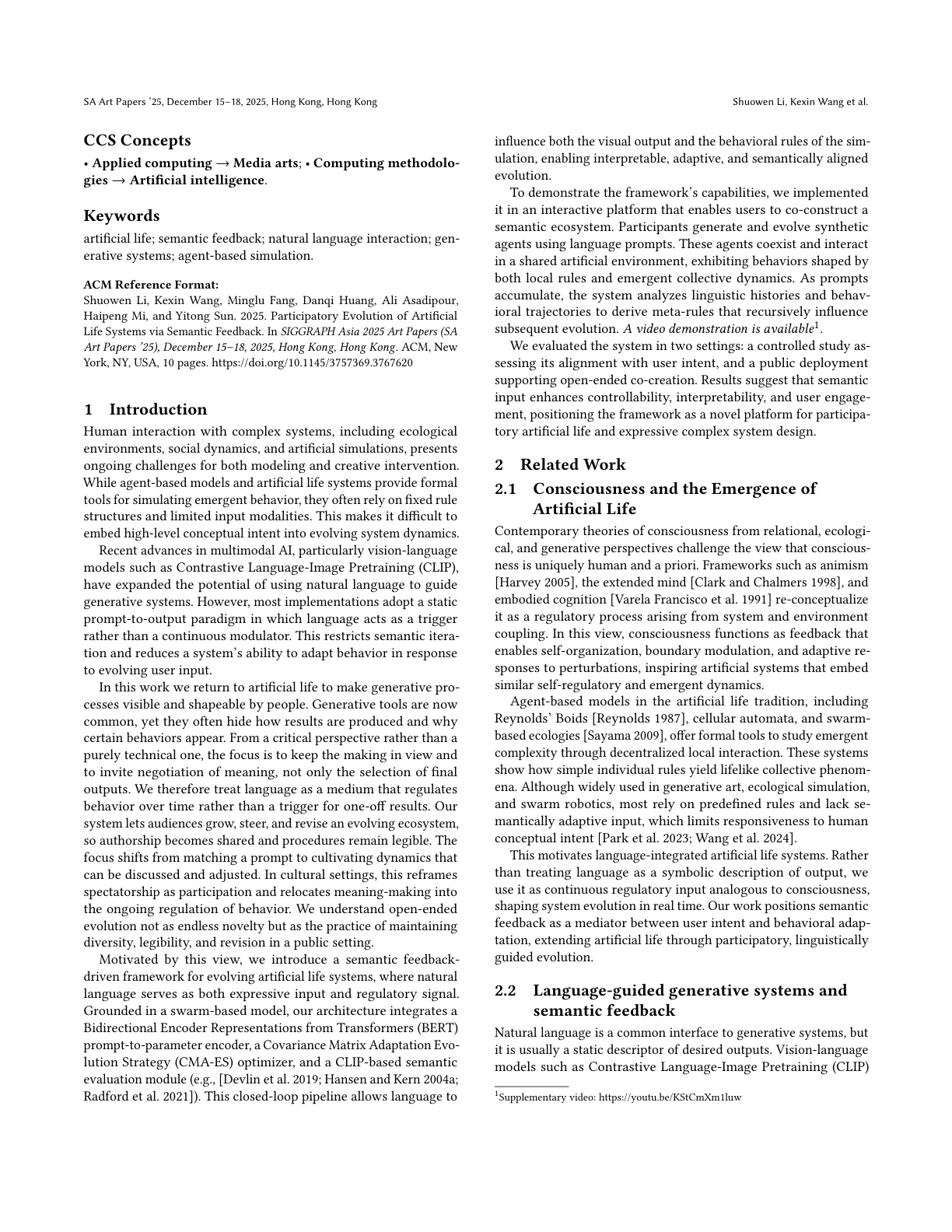
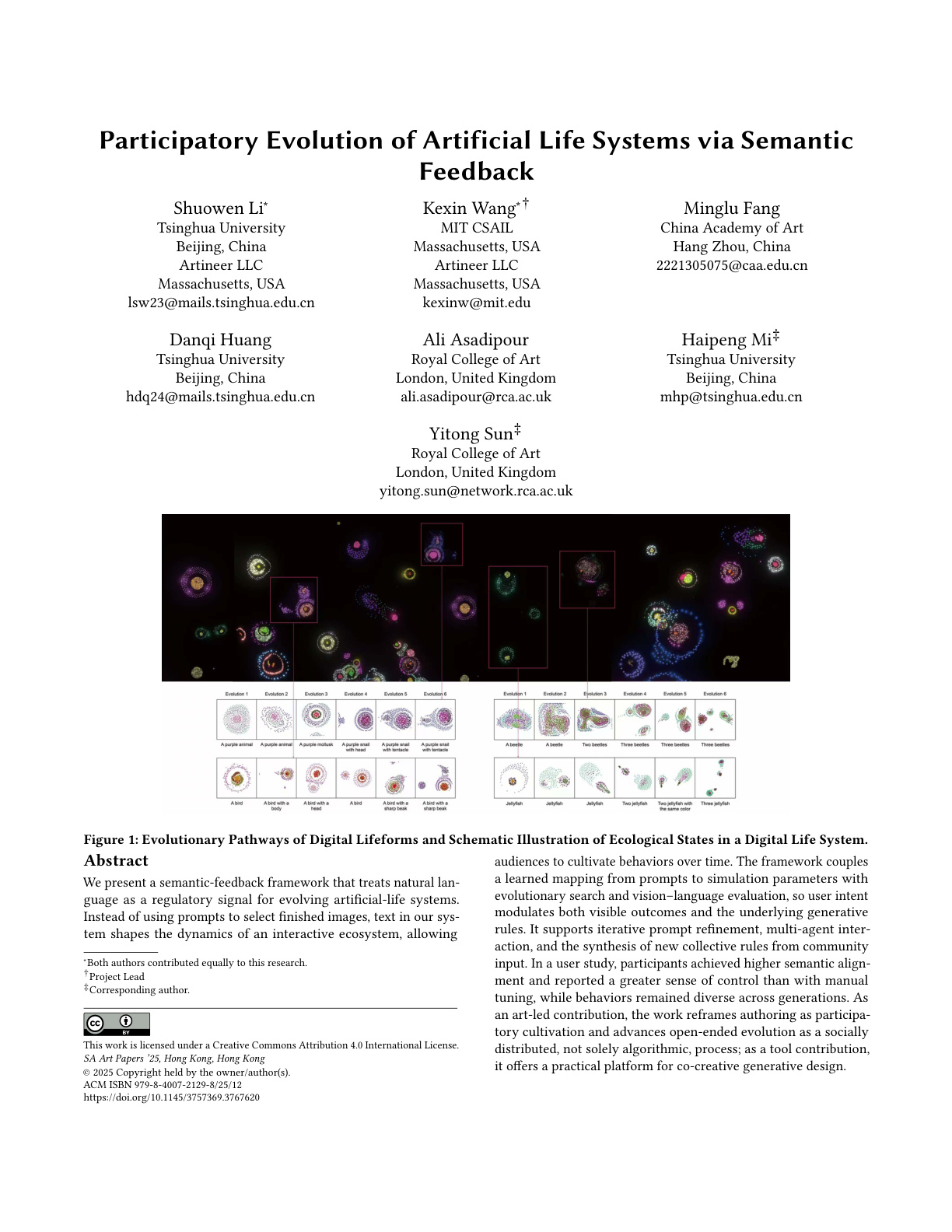
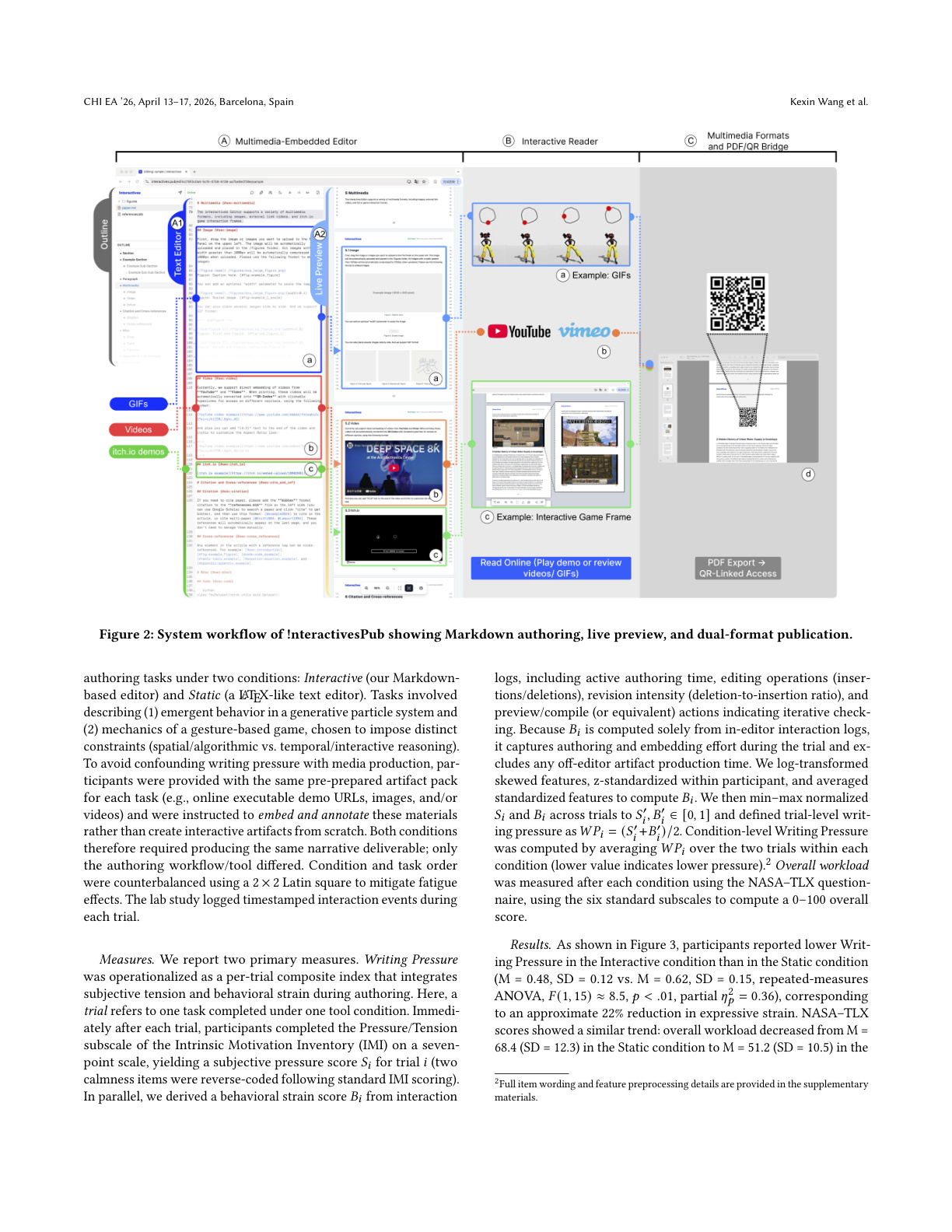
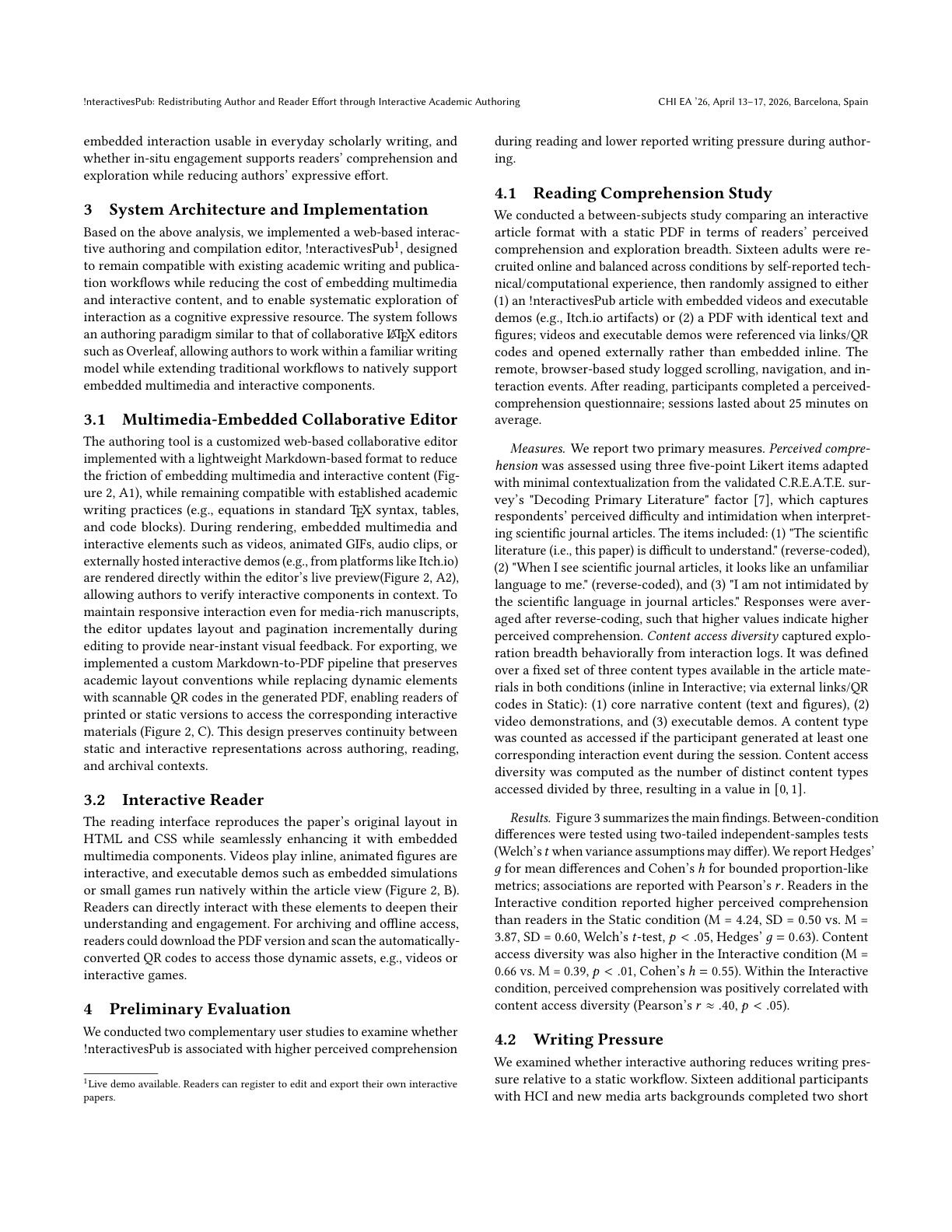
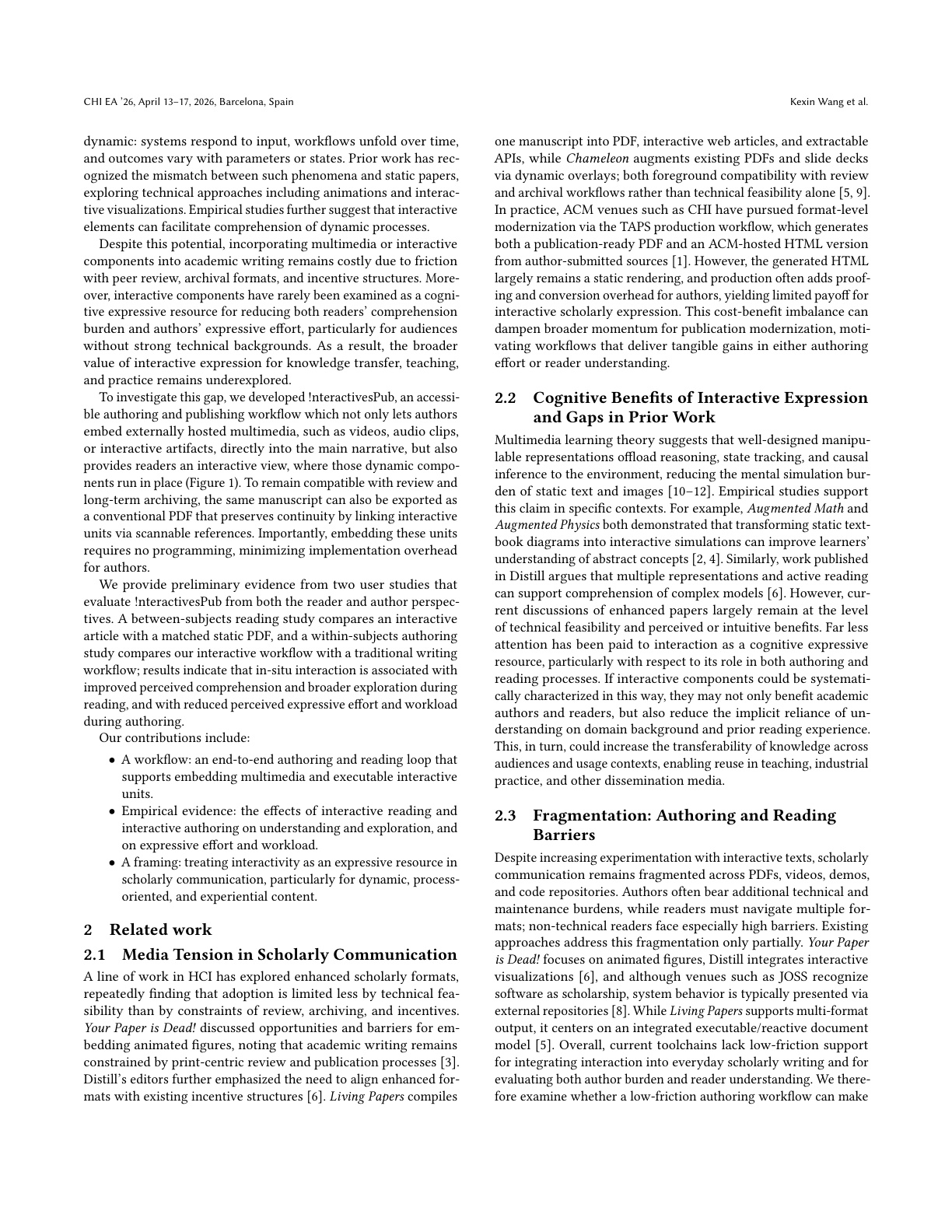
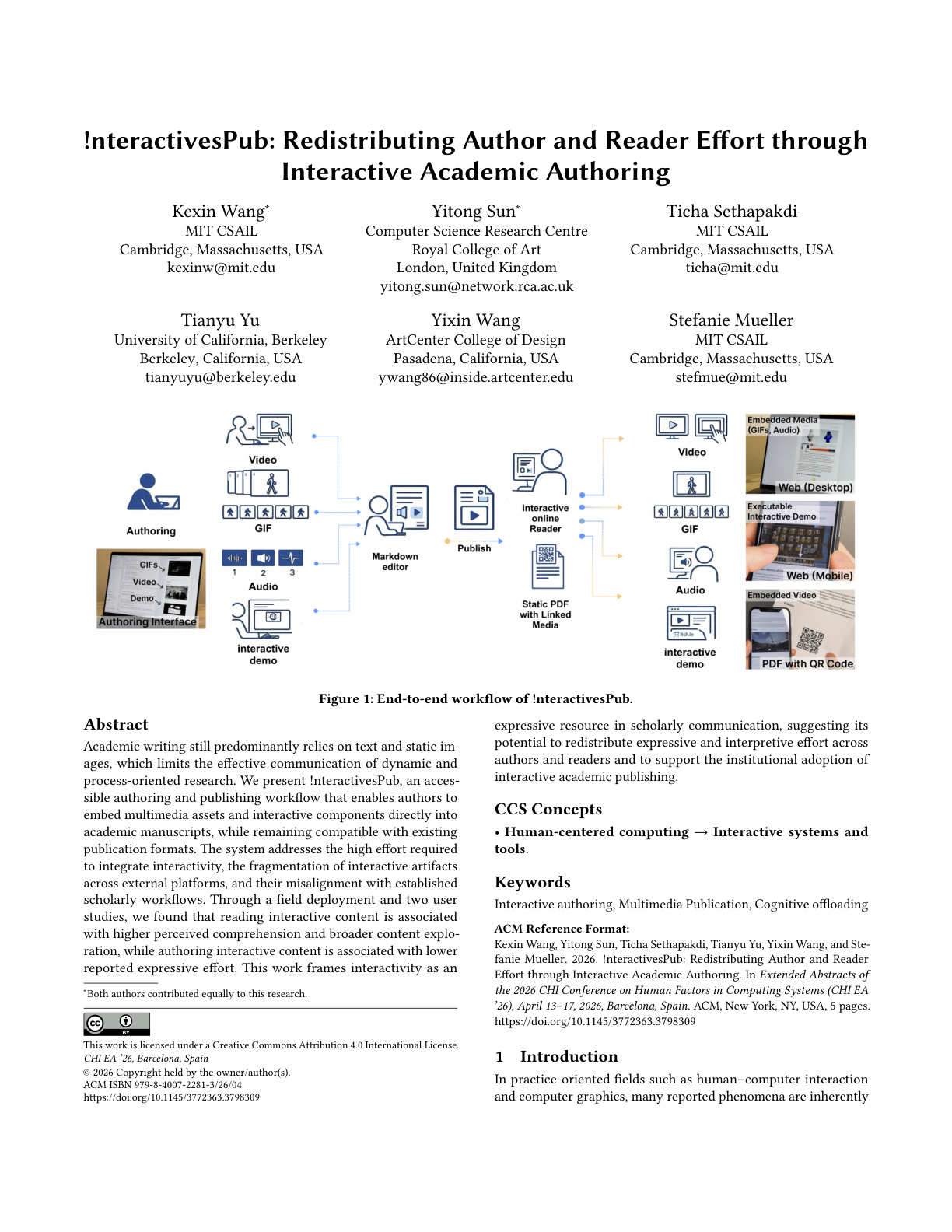
An accessible authoring and publishing workflow enabling researchers to embed multimedia assets and interactive components directly into academic manuscripts — rethinking how dynamic, process-oriented research is communicated in scholarly venues.
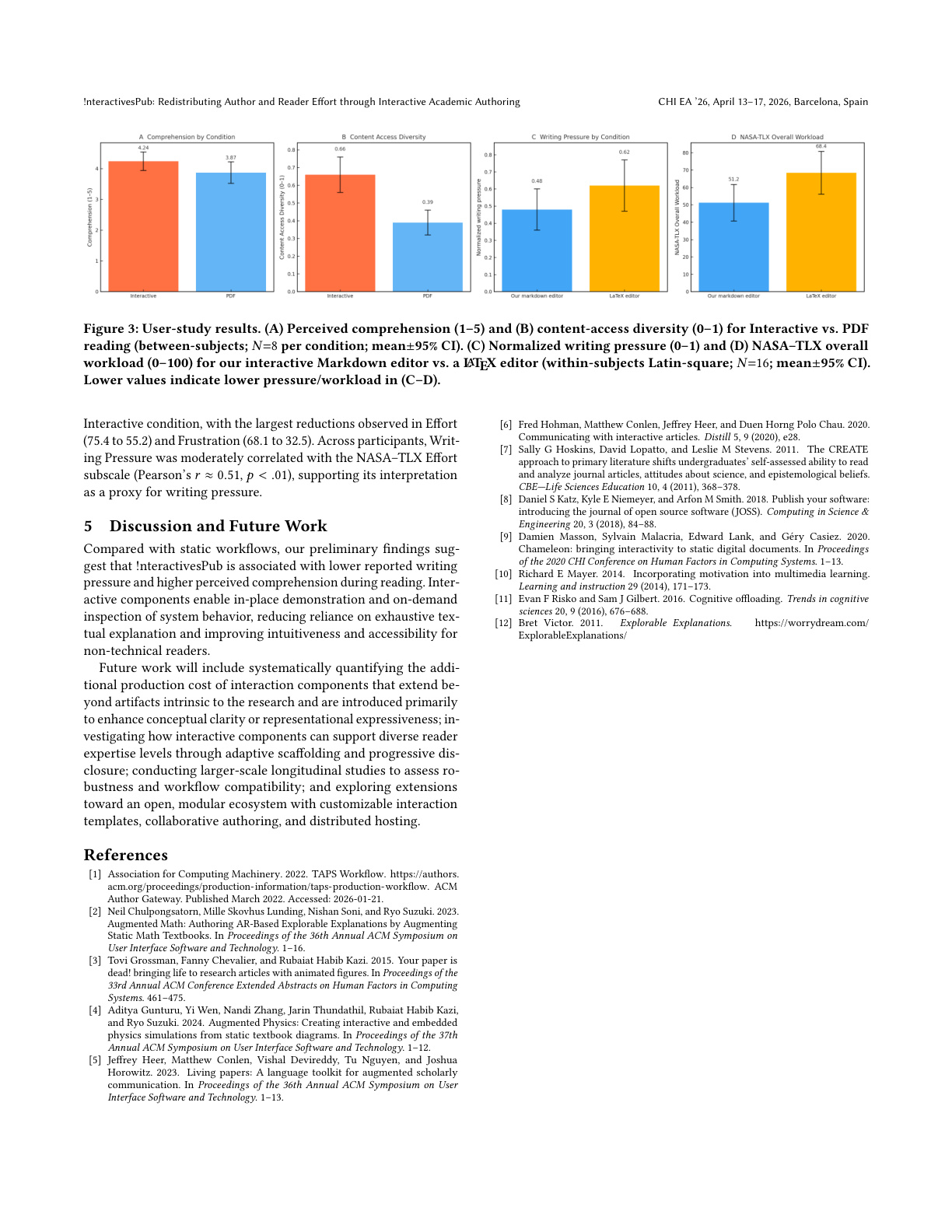
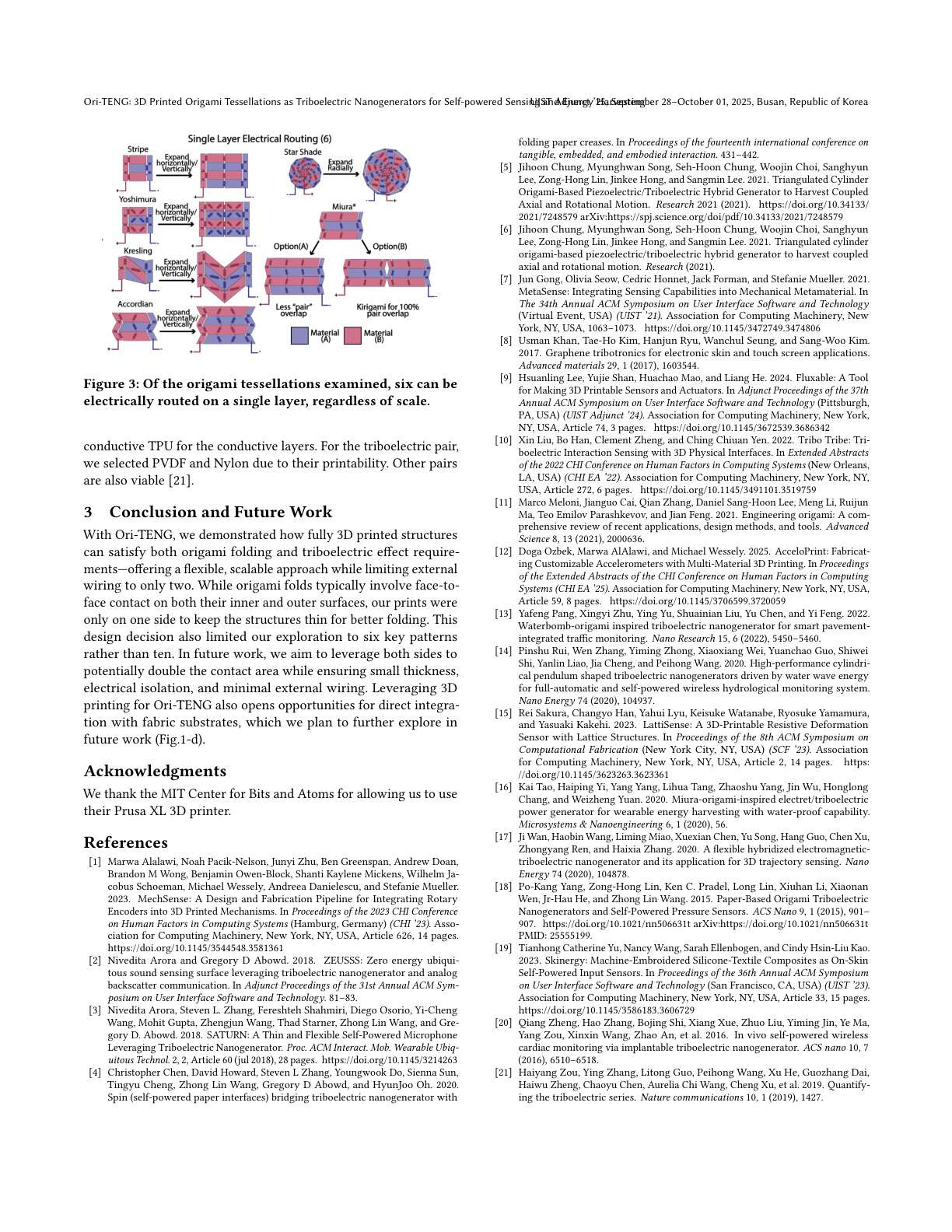
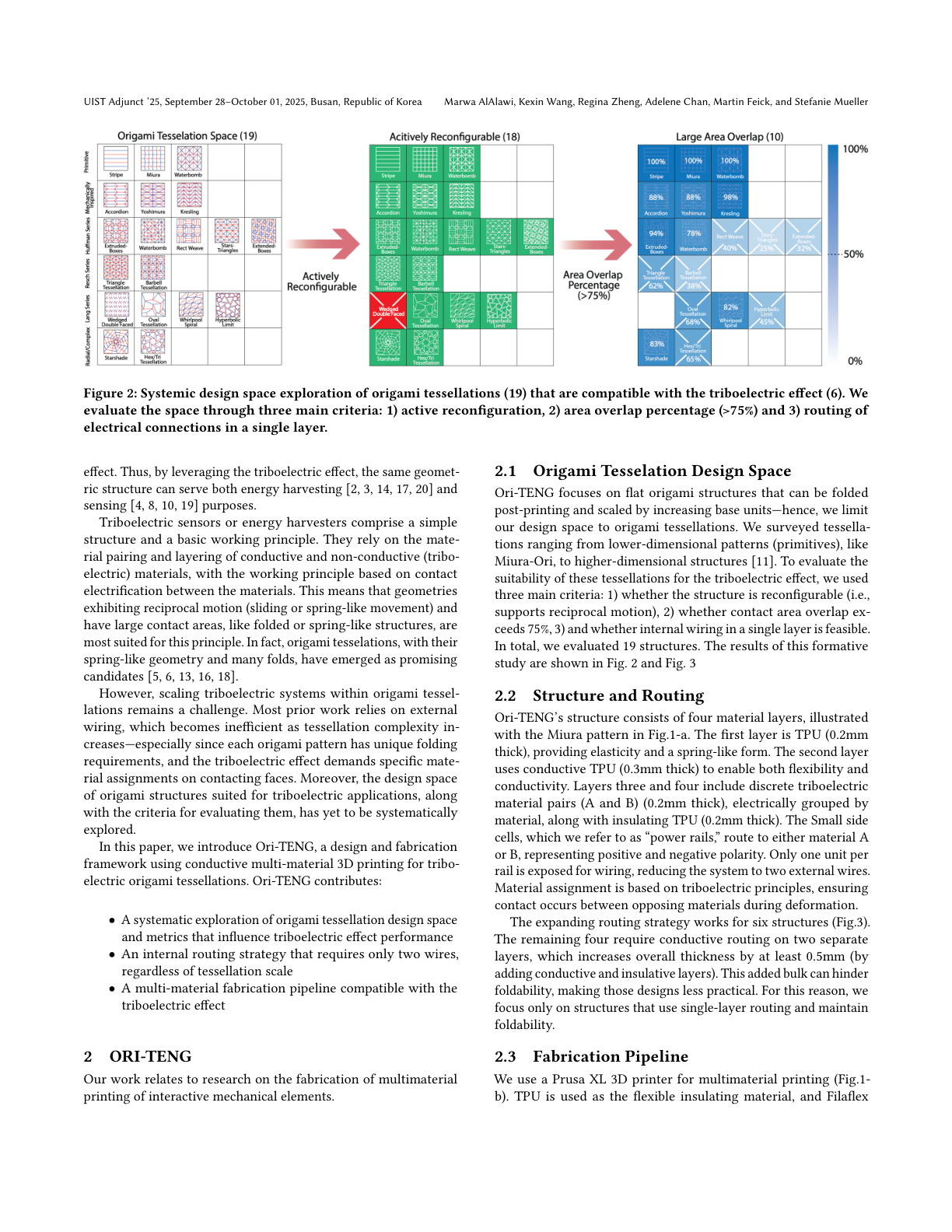
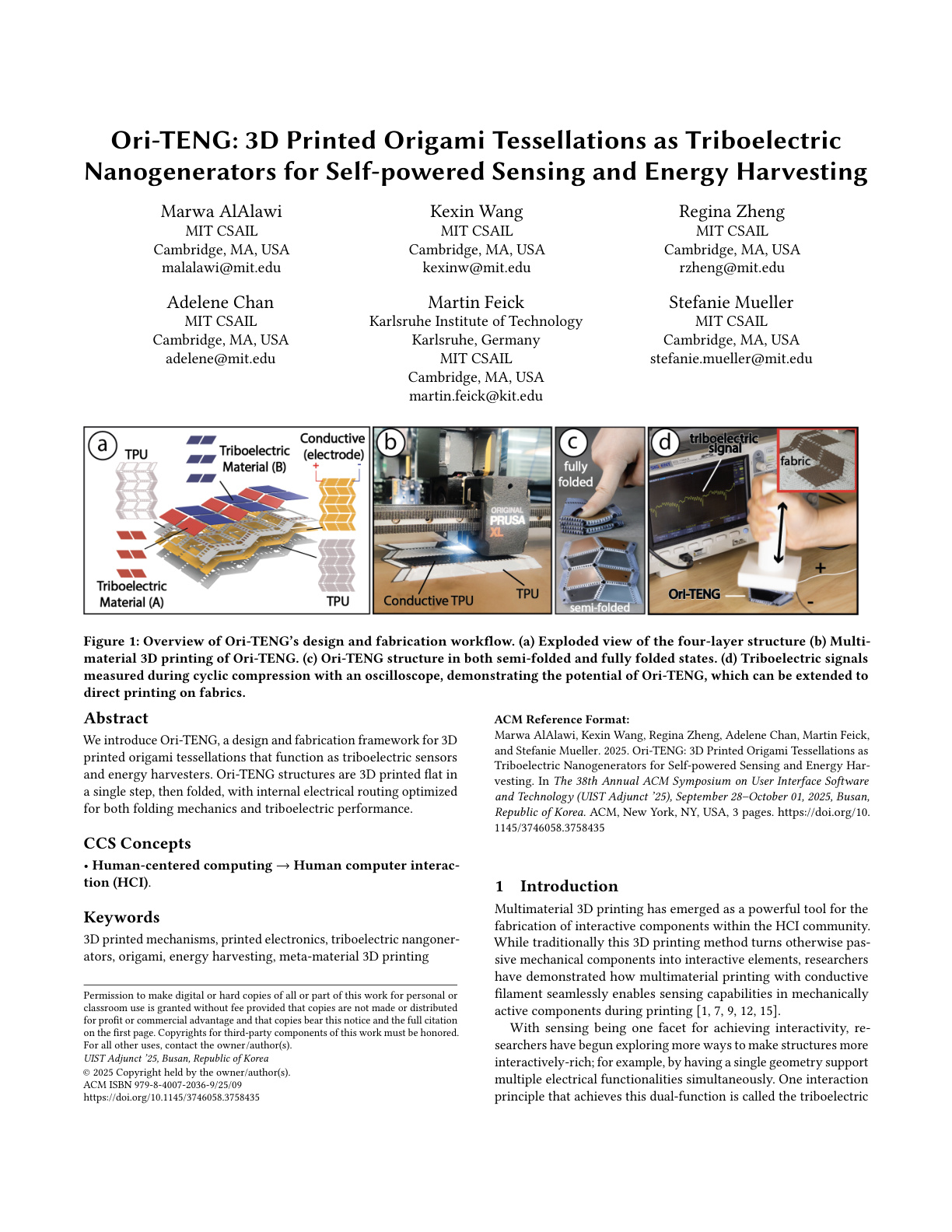
A design and fabrication framework for 3D printed origami tessellations that function as triboelectric sensors and energy harvesters. Structures are printed flat in a single step then folded — internal routing optimized for both folding mechanics and triboelectric performance.
Artineer Lab · Anonymous for Review
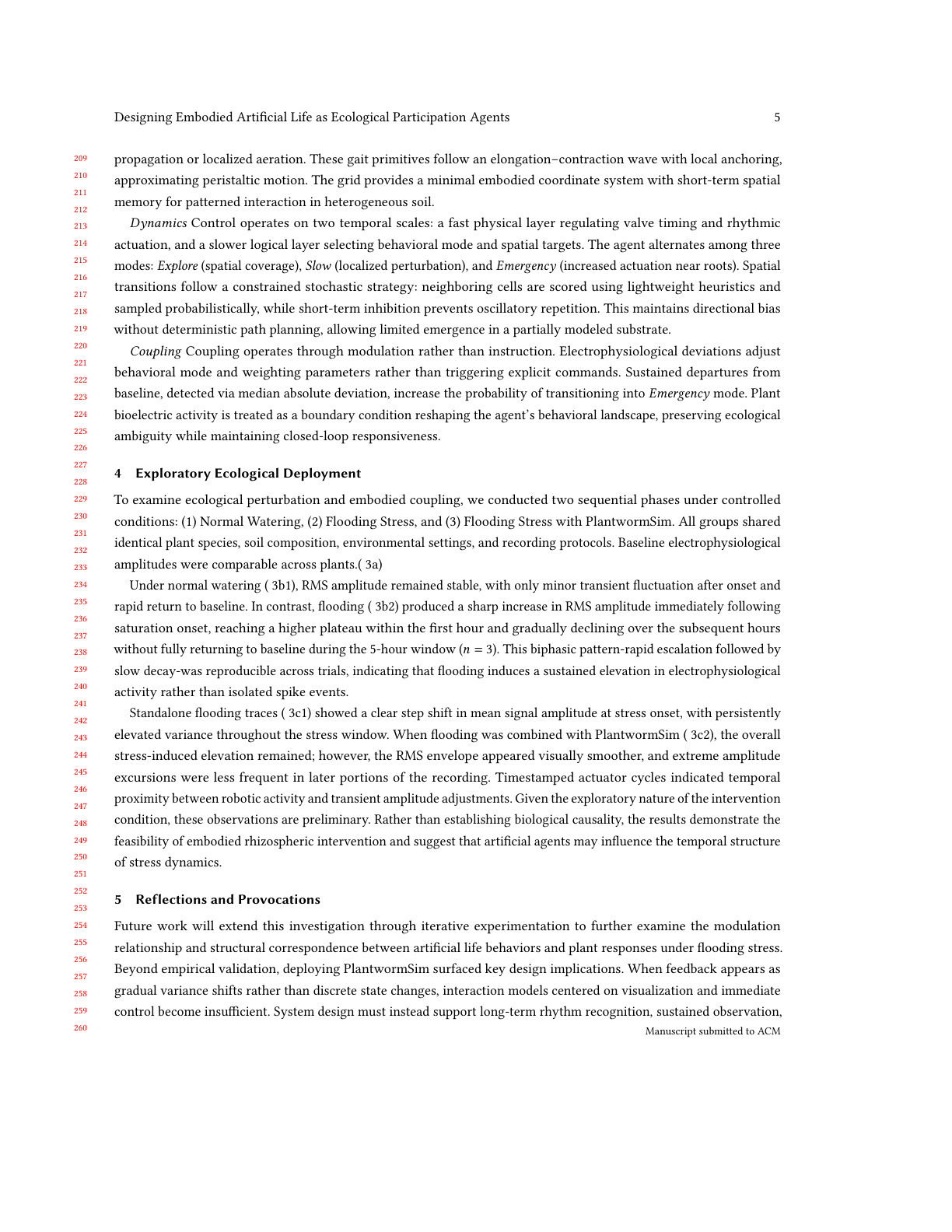
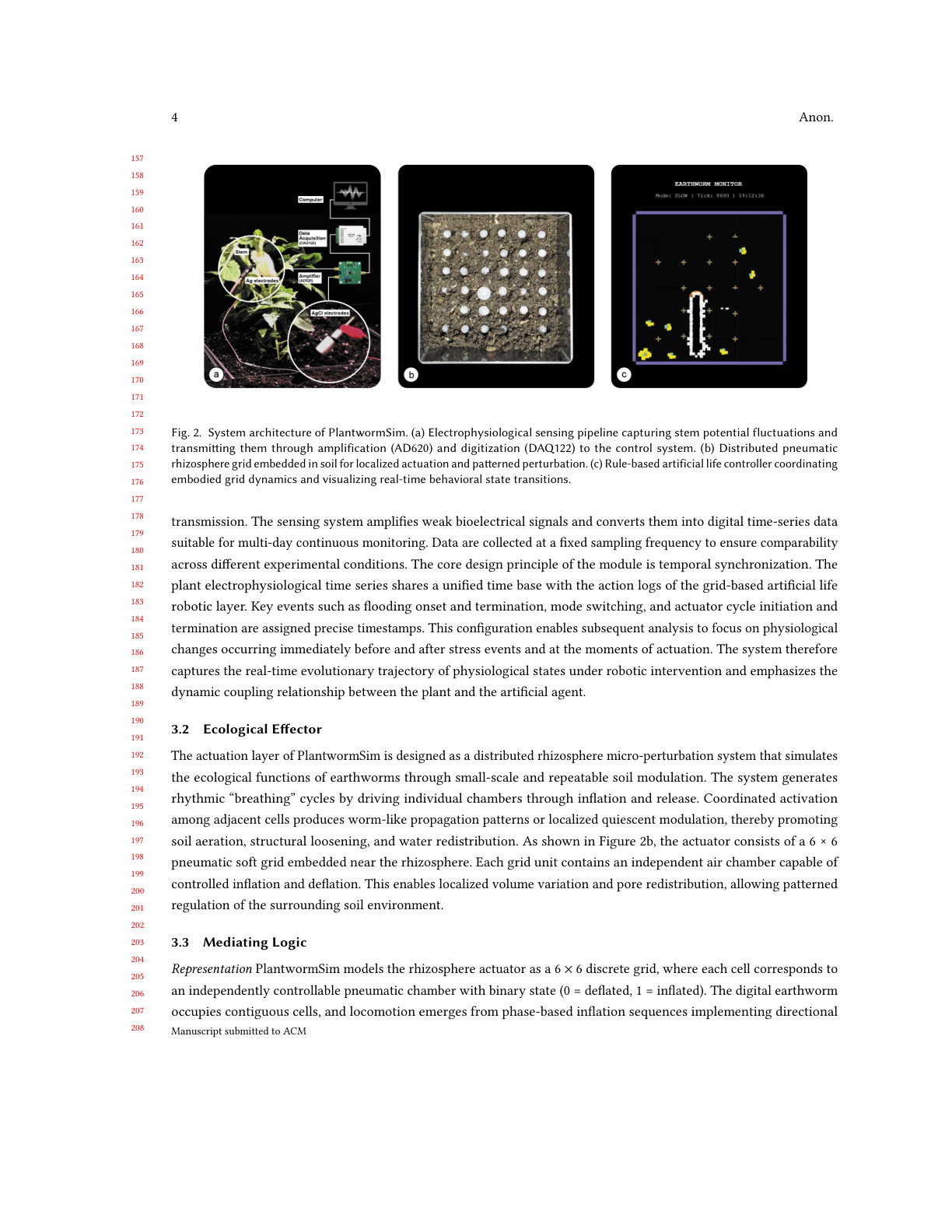
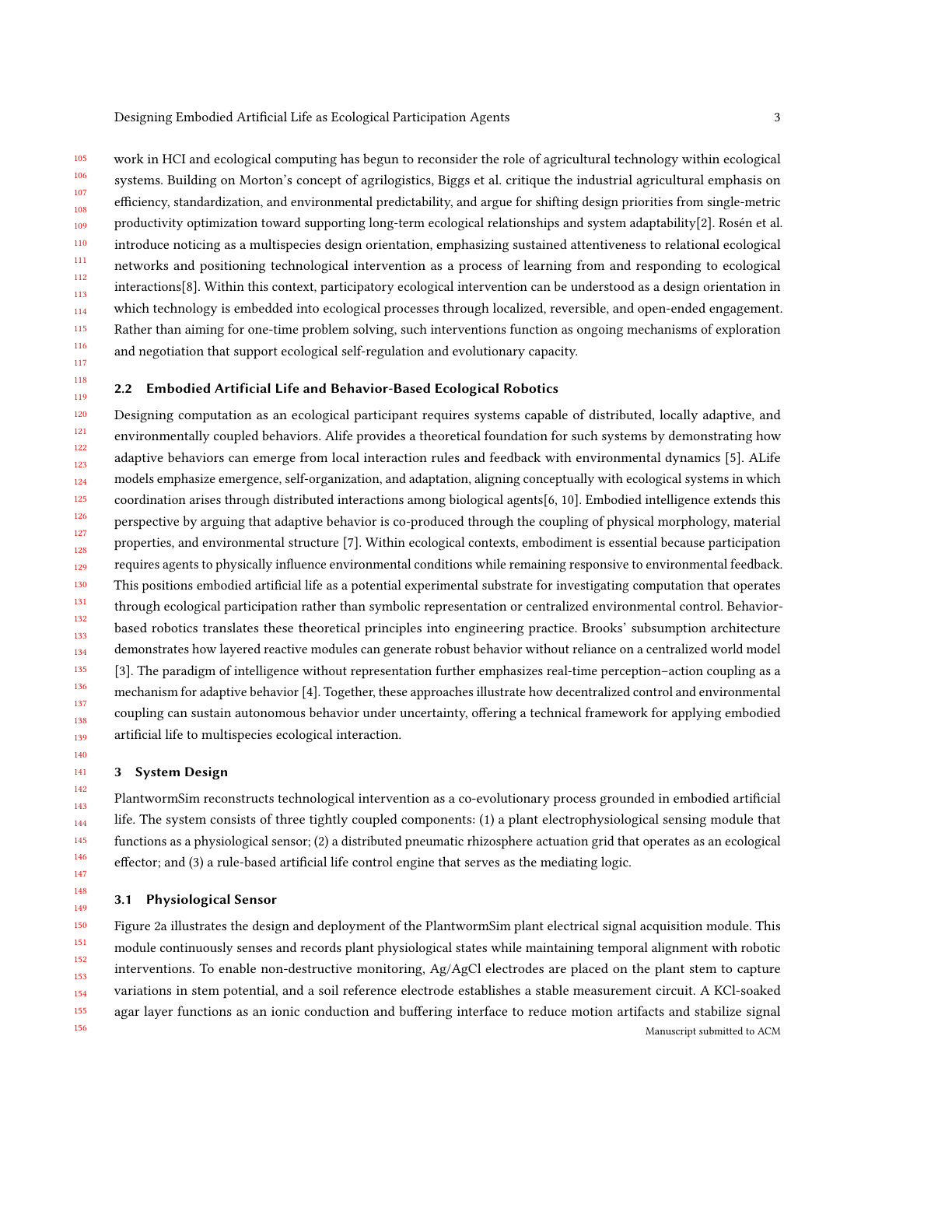
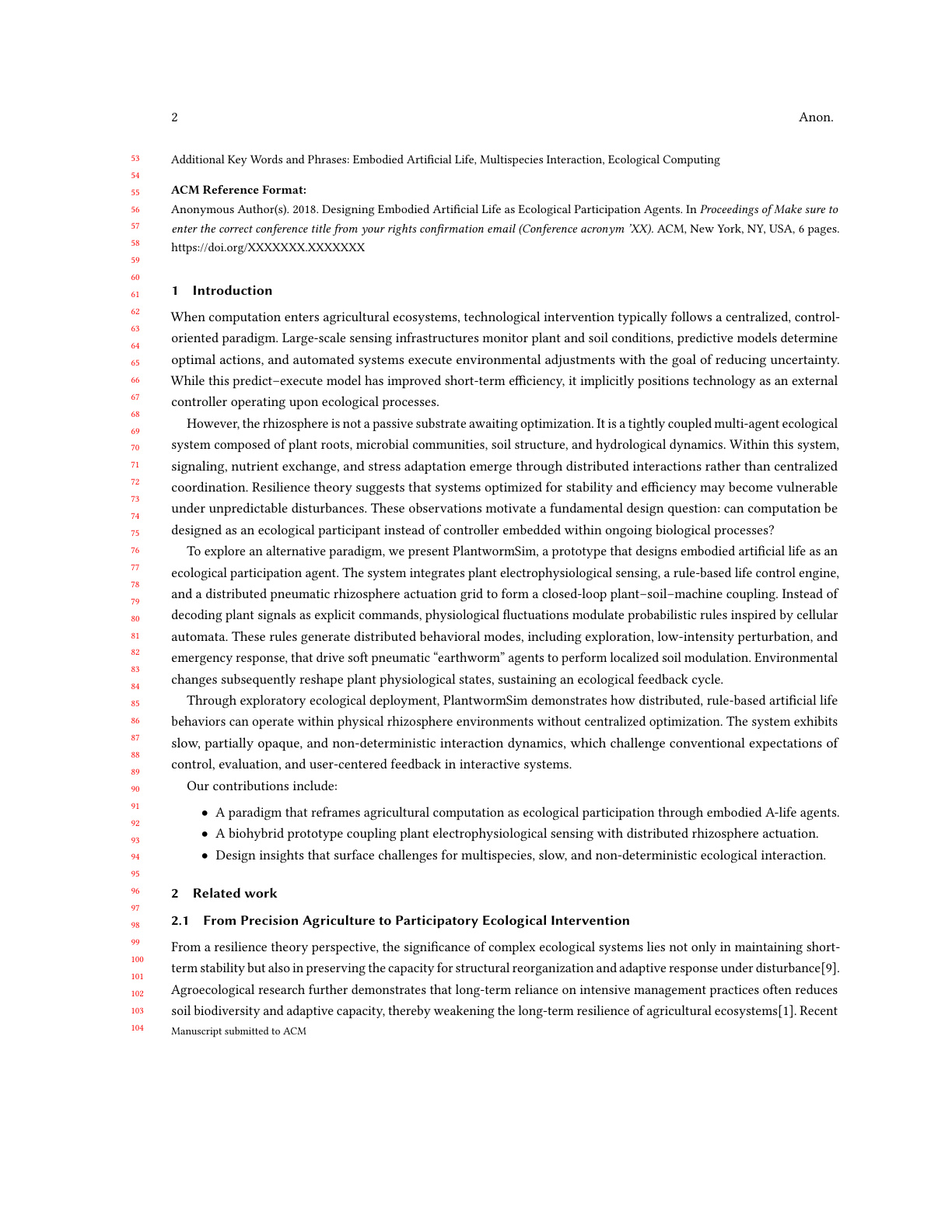
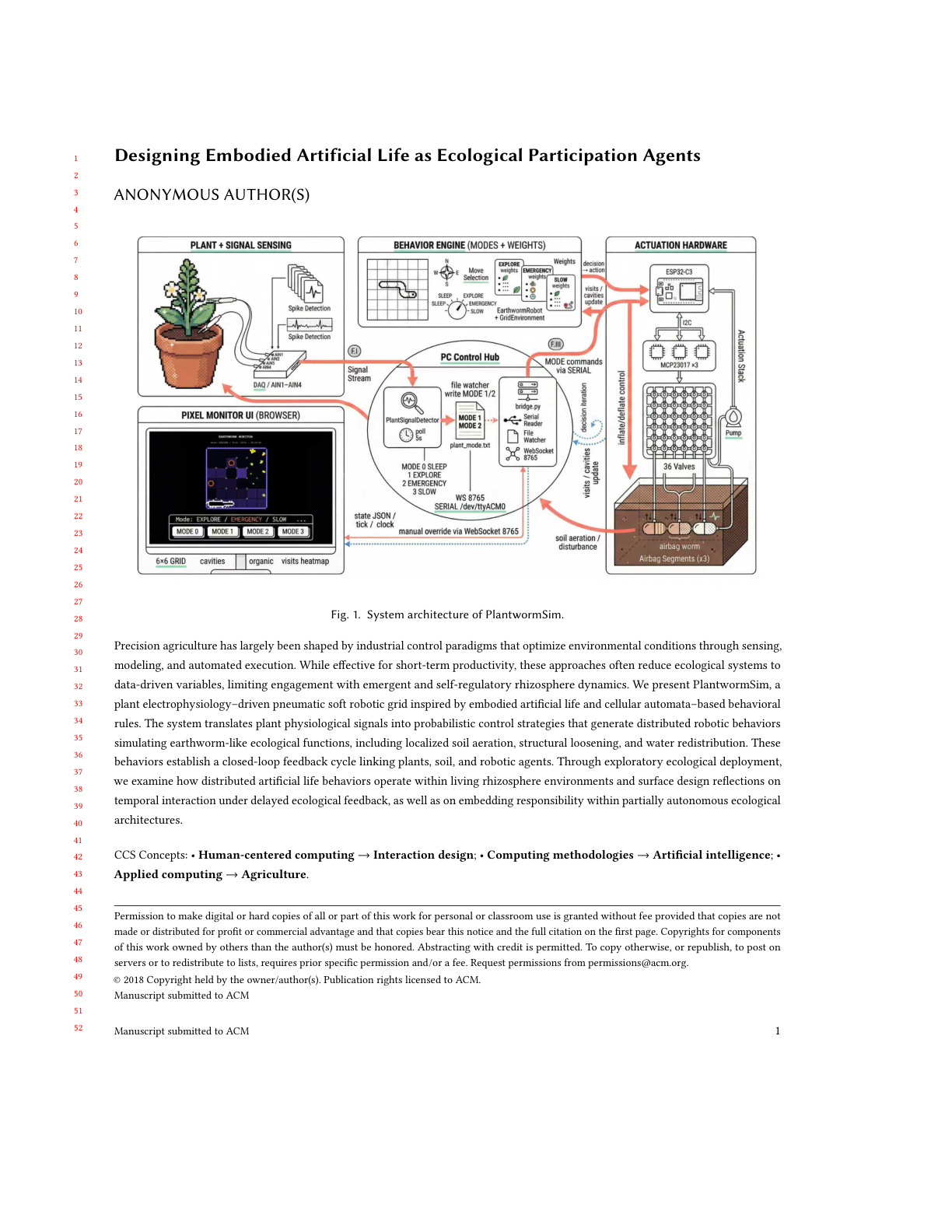
Presents PlantwormSim — a biohybrid prototype coupling plant electrophysiological sensing with a distributed pneumatic rhizosphere actuation grid. Plant bioelectric signals modulate cellular automata rules that drive soft "earthworm" agents through the soil, forming a closed-loop plant–soil–machine ecosystem. Reframes agricultural computation as ecological participation rather than centralized control.
We welcome partnerships with universities, institutions, and labs working at the intersection of art, technology, and education. Whether you want to co-author, share equipment, or explore a joint research question — reach out.
Every research thread at artineer becomes a product, a kit, or a new curriculum.